Research

Smart Water Sensors Help Preserve Clean Water Supplies

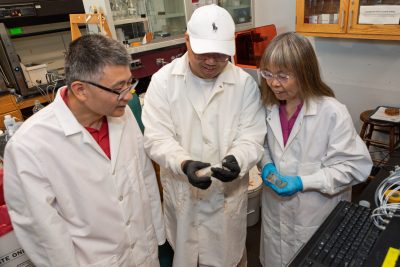
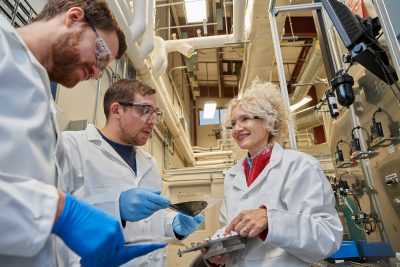
Three researchers wearing lab coats stand together in a laboratory, examining a small sensor or sample held by the researcher in the center. Laboratory equipment, bottles, and instruments are visible in the background, indicating an active research setting.Sharing exciting new research advancing smart sensor technologies to improve long-term monitoring of water and soil systems!

Prof. Baikun Li from the School of Civil and Environmental Engineering leads this effort, working with Prof. Yu Lei from our department and Dr. Xingyu Wang to develop smart sensors for nitrogen species in municipal wastewater with improved accuracy and stability. By leveraging components and technologies that eliminate the need for tedious calibration, this work targets calibration-free, long-term monitoring in wastewater systems—a significant step forward for reliable water quality management.

In parallel, the team is expanding these sensor technologies to agricultural and soil monitoring applications, including the development of hydrogel-coated soil sensors designed to improve monitoring accuracy while helping minimize fertilizer use and reduce environmental impacts in agriculture.

Read more on UConn Today.

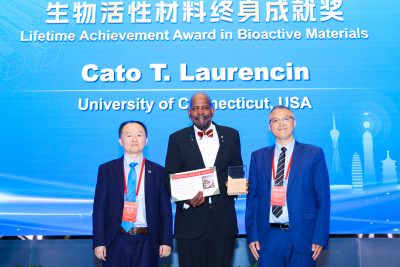
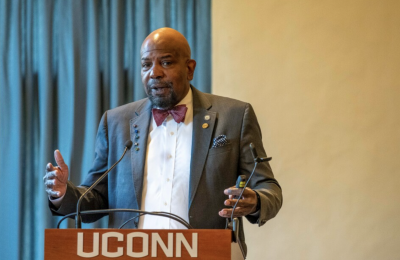
Laurencin Receives Bioactive Materials Lifetime Achievement Award

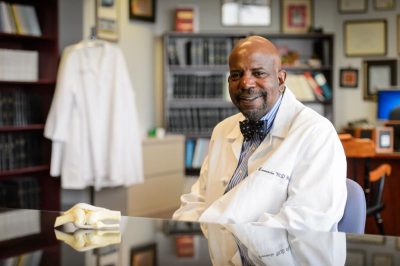
Cato LaurencinCongratulations to Sir Dr. Cato Laurencin on receiving the Bioactive Materials Lifetime Achievement Award, recognizing his pioneering contributions to biomaterials, regenerative engineering, and translational medicine.

Established in 2020, the Bioactive Materials Lifetime Achievement Award honors excellence in research and development while serving as a catalyst for advancing the field, fostering international collaboration, and inspiring innovation.

Dr. Laurencin’s visionary work has defined the field of regenerative engineering, bridging engineering, biology, and medicine to create transformative clinical solutions. At UConn, he holds joint appointments in Orthopedic Surgery, Chemical & Biomolecular Engineering, Materials Science & Engineering, and Biomedical Engineering.

Widely recognized as the founder and pioneer of regenerative engineering, Dr. Laurencin is an expert in biomaterials science, stem cell technology, and nanotechnology, and was named one of the 100 Engineers of the Modern Era by the American Institute of Chemical Engineers.

Read more about this well-deserved recognition on UConn Today.

Caitlin Noonan Transforms Campus Food Waste into Carbon Capture Material

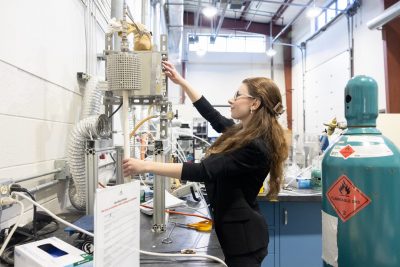
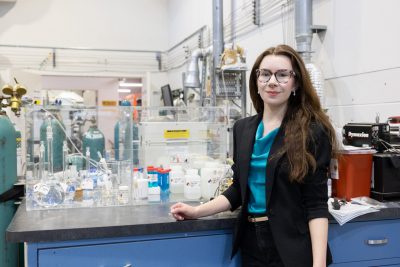
Caitlin NoonanCheck out this UConn Today article featuring our senior, Caitlin Noonan—from scraps to solutions, she’s turning campus food waste into carbon-capture material. 

Caitlin’s project, “Converting the University of Connecticut’s Food Waste into Activated Carbon for Carbon Capture, Sequestration, and Usage,” conducted under the guidance of Professor Julia Valla, explores a clever way to repurpose discarded food scraps into biochar that can trap CO₂ and be reused or returned safely to soil.


Here’s what makes her work so exciting:

  • She sourced food waste from South Dining Hall, dried and powdered it using a FoodCycler Eco 5, then transformed it into biochar via slow pyrolysis.
  • By steam-activating the biochar at 900 °C, she created a porous, reusable material adept at adsorbing CO₂—without relying on chemical activation methods that can generate harmful byproducts.
  • Unlike conventional adsorbents, Caitlin’s biochars can ultimately be used as a soil amendment, improving soil health and storing carbon long-term with minimal environmental risk.

Caitlin is a recipient of the highly competitive Goldwater Scholarship and a Summer Undergraduate Research Fund (SURF) Award winner from the Office of Undergraduate Research at UConn, underscoring both her academic excellence and research potential. Caitlin’s work further illustrates how everyday waste can become part of the solution—and highlights the impact chemical engineers can make in sustainability and carbon removal.

Congratulations, Caitlin! We’re proud to see your outstanding achievements recognized and can’t wait to see where you take them next.

Read more on UConn Today.

Azeem Sarwar and Muhammad Hassan Selected as a Finalist for the UConn–Eversource Clean Energy & Sustainability Innovation Program

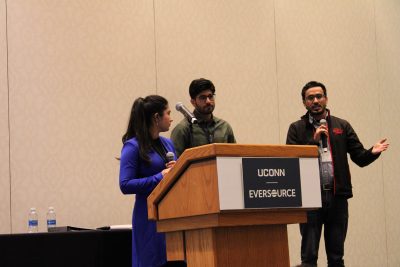
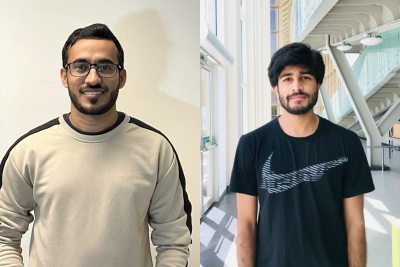
Azeem Sarwar and Muhammad HassanWarmest congratulations to our graduate students, Azeem Sarwar and Muhammad Faheem Hassan, on being selected as one of the five finalist teams for the UConn–Eversource Clean Energy & Sustainability Innovation Program!

Over the summer, they have been working diligently on their project, “UConn’s Wastewater to Bioenergy: Integrated Chlorella Cultivation and Pyrolysis.” Their work will be showcased at the 2025 Sustainable Clean Energy Summit in October, where the winning team will receive additional funding to continue their efforts throughout the academic year.

Read more on UConn Today.

Caitlin Noonan Named Goldwater Scholar

We are extremely proud of our junior, Caitlin Noonan ’26, for being named a Goldwater Scholar!

The Goldwater Scholarship is one of the most prestigious national scholarships for undergraduates in the natural sciences, engineering, and mathematics. Established by Congress to honor the late Sen. Barry M. Goldwater, the scholarship recognizes students with exceptional promise and encourages them to pursue research careers.

This year, Caitlin is one of only 441 students selected nationwide from a pool of over 5,000 applicants—a remarkable achievement!

Caitlin works with Prof. Julia Valla on converting UConn’s food waste into activated carbon adsorbents for carbon capture, sequestration, and use. This summer, she will continue her impactful work as a Summer Undergraduate Research Fund (SURF) awardee through UConn’s Office of Undergraduate Research. We can’t wait to see the incredible impact she’ll make in the future of science and engineering.

Read more on UConn Today.

Deniz Ipekci and Akanksha Majumder Rise to the Top at the College of Engineering Poster Competition

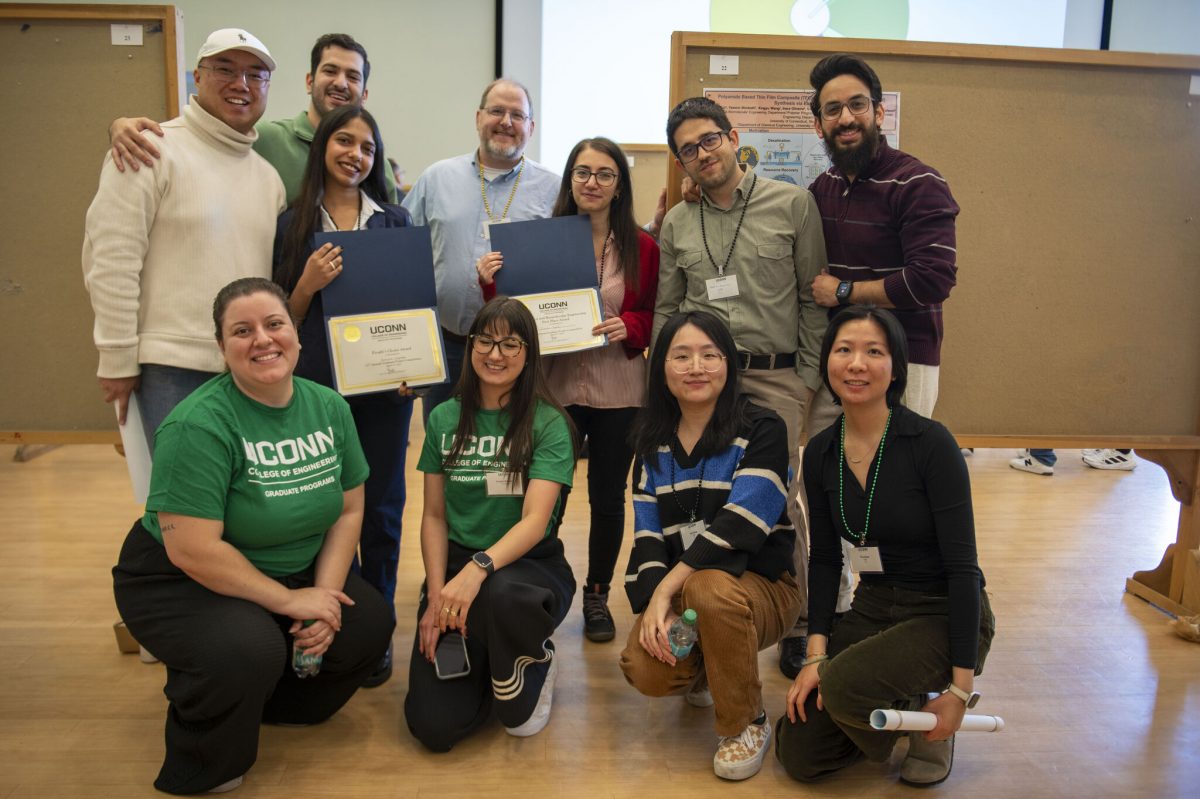
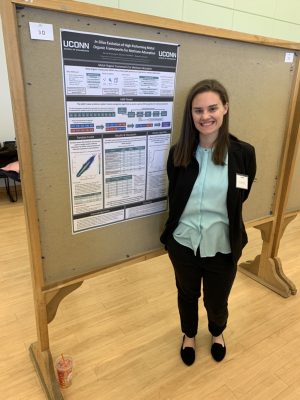
Warmest congratulations to our graduate student, Deniz Ipekci, winning the 1st place in the department competition and 3rd place overall at the 11th Annual UConn College of Engineering Poster Competition! A special congratulations also goes to Akanksha Majumder, who won the People’s Choice Award!

Both students are advised by Prof. Jeffrey McCutcheon, and we are incredibly proud of their achievements. It was a fantastic event and wonderful to see our graduate students come together to present their exciting research. Their hard work and dedication continue to strengthen our department and the broader UConn engineering community.

Celebrating Excellence: Chemical Engineering Faculty Honored as NAI Fellows for Transformative Innovation

We are extremely proud of our faculty who have been recognized as National Academy of Inventors (NAI) Fellows over the years for their groundbreaking contributions to science, technology, and innovation. Their research spans clean energy, sustainable materials, regenerative medicine, and nanotechnology, driving real-world impact through discovery and entrepreneurship.

President Radenka Maric (NAI Fellow, 2019) – A leader in sustainable energy, her pioneering work in materials and catalysts has advanced fuel cell technologies, energy storage, and electrochemical sensors, enabling high-performance clean energy solutions.


Cato LaurencinProf. Cato Laurencin (NAI Fellow, 2013) – The first UConn faculty member to become an NAI Fellow and a trailblazer in regenerative engineering. His breakthroughs in nanotechnology, polymer chemistry, and tissue regeneration have earned him national honors, including the National Medal of Technology and Innovation.


Prof. Luyi Sun (NAI Fellow, 2021) – An expert in polymeric materials, ceramics, and composites, his research is driving innovation in packaging, energy, and catalysis, shaping next-generation materials for diverse applications.


These distinguished faculty members exemplify UConn’s commitment to cutting-edge research and transformative innovation. Congratulations to all!

Read more about all UConn College of Engineering NAI Fellows on UConn Today.

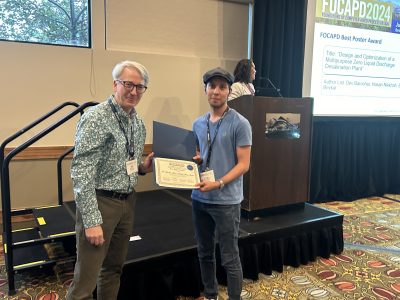
Hasan Nikkhah Wins Best Poster Award at the Foundations of Computer-Aided Process Design Conference

We are thrilled to share that our graduate student, Hasan Nikkhah, has received the Best Poster Award at the 2024 Foundations of Computer-Aided Process Design (FOCAPD) Conference for his work on seawater desalination. In collaboration with our undergraduate student Dev Barochia and under the guidance of Professor Burcu Beykal, Hasan presented their research, “Design and Optimization of a Multipurpose Zero Liquid Discharge Desalination Plant,” which introduces a novel approach to multicomponent seawater desalination with zero liquid discharge.

This work leverages mathematical optimization to determine the best operating conditions for minimizing energy consumption, addressing the environmental challenges of traditional desalination methods. By improving efficiency and sustainability, this work has the potential to make clean water production more accessible and environmentally friendly.

We are incredibly proud of Hasan’s achievement and look forward to seeing how this work contributes to the future of desalination!

Read more on this work in the FOCAPD 2024 Proceedings.

Laurencin Receives the 2025 Terasaki Innovation Award

Warmest congratulations to Professor Cato Laurencin, recipient of the 2025 Paul Terasaki Innovation Award! The Paul Terasaki Innovation Award honors individuals who have made outstanding and sustained contributions to biomedical innovation, recognizing those who not only advance research but also translate their discoveries into real-world medical solutions. Dr. Laurencin embodies this mission through his pioneering work in regenerative engineering, polymer science, and musculoskeletal repair and regeneration. His groundbreaking contributions include the invention of the Laurencin-Cooper ligament for regenerating the anterior cruciate ligament (ACL) and the development of engineered grafts for rotator cuff tendon repair and regeneration. His research has bridged fundamental science with transformative medical applications, impacting countless lives.

Dr. Laurencin’s recognition with the Paul Terasaki Innovation Award is a well-deserved honor, celebrating a legacy inspires the next generation of biomedical pioneers. He is also an elected member of the National Academy of Sciences, the National Academy of Engineering, and the National Academy of Medicine, as well as an elected fellow of the National Academy of Inventors. He is the first surgeon in history to be elected to all four of these prestigious academies.

Read more on UConn Today.

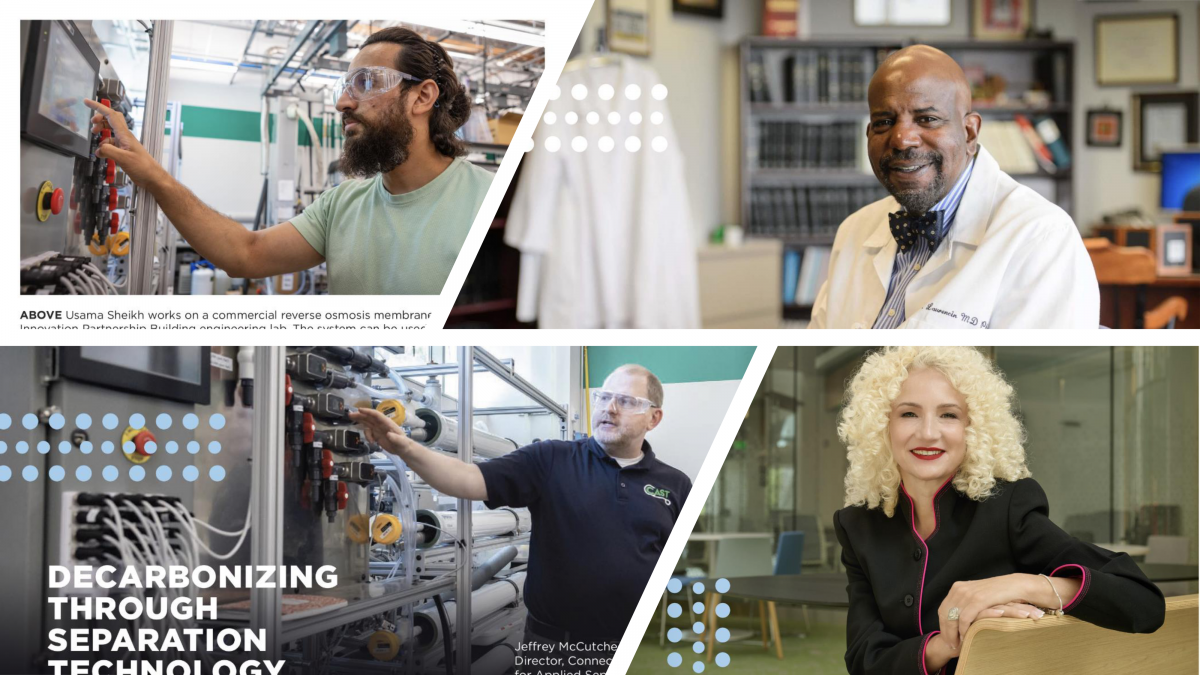
Faculty & Students Celebrated in the College of Engineering Growth & Momentum Publication

We proudly celebrate our faculty and students who have been recognized in the inaugural Growth & Momentum publication by the UConn College of Engineering. This special issue highlights the groundbreaking research and achievements of our community in materials science, renewable energy, biomedical engineering, and more, showcasing the tremendous impact of our department’s work across the College.

Many of our faculty are recognized among the top 2% of scientists worldwide. Their contributions, along with the remarkable efforts of our students, continue to drive innovation and address critical global challenges. We are especially proud to recognize the following members of our department featured in this issue:

🔹 President Radenka Maric
🔹 Professors Cato Laurencin, C. Barry Carter, Yu Lei, Jeffrey McCutcheon, Montgomery Shaw, Luyi Sun, Robert Weiss, Xiao-Dong Zhou
🔹 Graduate student Usama Sheikh (Advisor: Jeffrey McCutcheon)

Their achievements reflect the strength of our department and the excellence of our faculty and students.

Read the full issue here.

McCutcheon Receives FRI/Neil Yeoman Innovation Award from the AIChE Separations Division

We are proud to share that Professor Jeffrey McCutcheon has been awarded the AIChE FRI/Neil Yeoman Innovation Award by the AIChE Separations Division! This prestigious award recognizes Dr. McCutcheon’s pioneering research in additive manufacturing of thin film composite membranes, a significant advancement in membrane technology that has broad implications for separations science and industry. Dr. McCutcheon presented his groundbreaking work at the AIChE Annual Meeting Separations Division Plenary session last fall.

The FRI/Neil Yeoman Innovation Award honors individuals who have made outstanding contributions to separations technologies, with selection criteria including the development of transformative discoveries, creative research, or new processes/products that provide measurable commercial, environmental, or societal value.

We congratulate Dr. McCutcheon on this well-deserved recognition! His dedication and innovative research continue to shape the future of membrane separations while inspiring the next generation of engineers.

Wagstrom Keeping Air in Connecticut Classrooms Safe with $11.5M in Funding from the State

WagstromUniversity of Connecticut‘s Indoor Air Quality Initiative, where Professor Kristina Wagstrom is a co-collaborator, just secured $11.5M from the state to bring DIY “Corsi-Rosenthal” air purifiers to all Connecticut public school classrooms. Developed from $60 worth of materials, these purifiers can reduce airborne viruses by over 99% in just an hour—improving health, attendance, and even academic performance. Also, recently published collaborative research findings by UConn and Arizona State University also show that DIY air purifiers work better than commercial HEPA air cleaners for a fraction of the cost.

On October 22 the State Bond Commission in Connecticut approved funding for the UConn Indoor Air Quality Initiative to administer and implement the purchase of equipment and materials for the construction and installation of individual classroom air purifiers. The state funding awarded to UConn will be part of SAFE-CT: Supplemental Air Filtration for Education Supplemental under the Clean Air Equity Response Program.

This initiative brings together UConn Neag School of Education, UConn College of Engineering, UConn School of Nursing, UConn School of Medicine, and UConn Health to connect communities with low-cost and accessible public health solutions. We’re incredibly proud of Dr. Wagstrom and the UConn Team for their support in public health and environmental safety.

Read more on UConn Today.

Undergraduate Researchers Shine at the AIChE Annual Student Conference

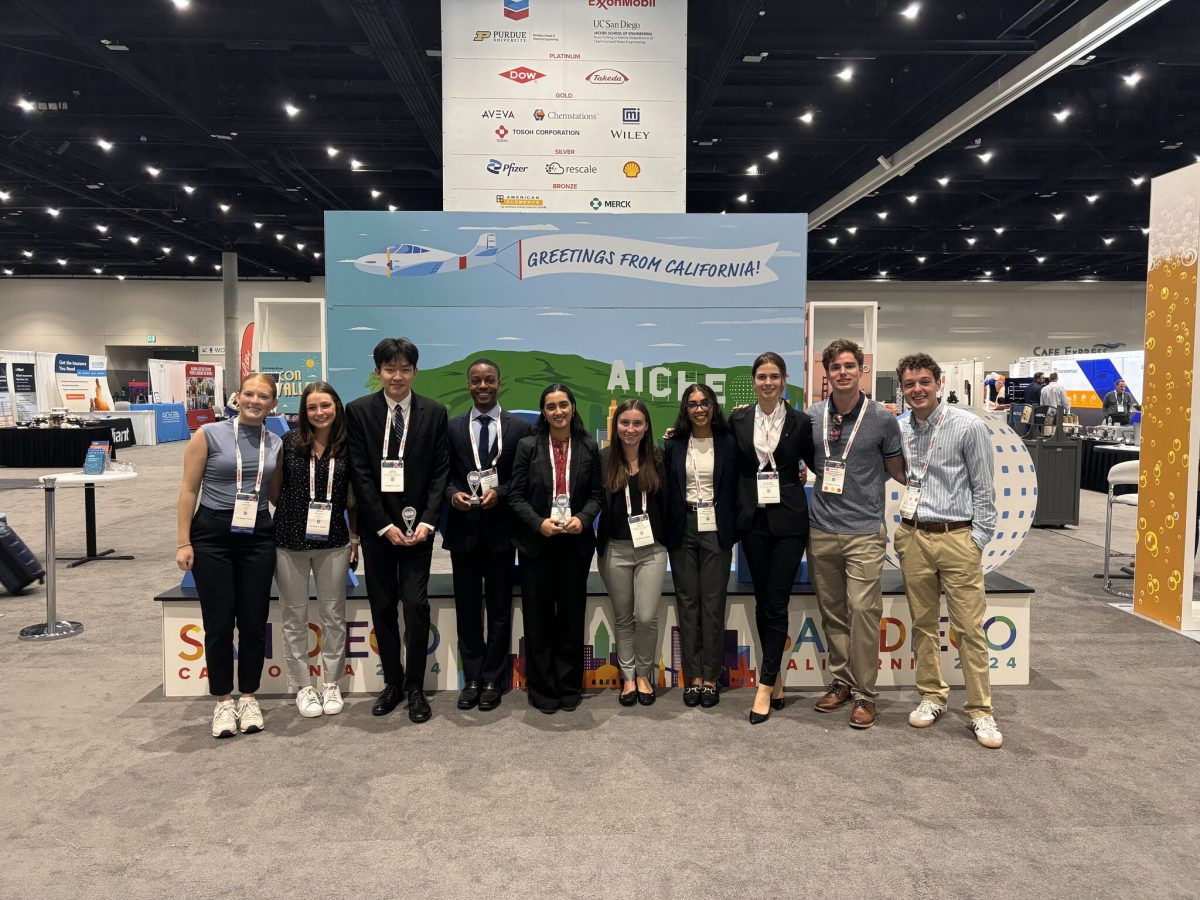
We are proud to celebrate the incredible achievements of our undergraduate students at this year’s American Institute of Chemical Engineers (AIChE) Annual Student Conference. 

Joseph Choi
🥈2nd Place – Computing, Simulation, and Process Control III

Advisor: Prof. Matthew Stuber, PhD
Poster Title: “Automatic Generation of Reduced-Space Models for Faster Global Optimization in Julia”

Nathaniel Rodney
🥉3rd Place – Food, Pharmaceutical, and Biotechnology II
Advisor: Wendy W.K. Mok (UConn Health)
Poster Title: “Riboswitch Engineering: Tracking Levofloxacin Accumulation and Oxidative Damage in Single Cells Using Biosensors”

Mehr Chhatre
🥉3rd Place – Environmental Science and Engineering I

Advisor: Prof. Leslie Shor
Poster Title: “Modulation of Hydrophobic Organic Contaminant Toxicity to Soil Protists via Co-Exposure with Microplastics”

Special Recognition to All Our Student Presenters:
Aislin Robb
Advisor: Prof. Yongku Cho
Poster Title: “Protein 14-3-3 Expression on Yeast Surface Display”

Sanjana Srinivas
Advisor: Prof. Kelly Burke
Poster Title: “Thiol-Functionalized Silk Biomaterials, a Study of Two Different Synthetic Routes”

Katelynn Horvath
Advisor: Prof. Yongku Cho
Poster Title: “Engineering Binding Affinity of Yth to m6A-RNA Leveraging Yeast Surface Display and Next-Generation Sequencing for Comprehensive Mutant Library Analysis”

Their hard work and commitment to research excellence continue to inspire us. Congratulations to all our students on their outstanding accomplishments! 

Cho Awarded $500,000 for Groundbreaking Neurodegenerative Disease Research at Tauopathy Challenge Workshop

Young ChoWe’re thrilled to announce that Dr. Yongku Cho and his collaborator Dr. Jesse Rinehart from Yale University School of Medicine have been awarded $500,000 at the Tauopathy Challenge Workshop to investigate post-translational modifications in tau protein aggregates. These chemical changes, found in patients with Progressive Supranuclear Palsy (PSP) and Frontotemporal Dementias (FTDs), may increase tau aggregation and toxicity, both of which are critical contributors to these neurodegenerative diseases.

Funded by the Rainwater Charitable Foundation, CurePSP, Alzheimer’s Association, and the Aging Mind Foundation, the workshop took place in Chicago, bringing together leading neuroscience researchers from around the world to address critical knowledge gaps in tau pathology and neurodegenerative disease mechanisms. With no current treatments available for PSP and FTDs—both of which severely impact quality of life—collaborative research like this is essential in advancing our understanding and treatment of these conditions.

Dr. Cho and Dr. Rinehart’s research will explore whether specific chemical changes in tau proteins make them more prone to aggregation and toxicity, a hypothesis that has yet to be conclusively tested. If successful, their findings could open new avenues for treatments, offering hope to those affected by these debilitating diseases.

Read more on the Rainwater Charitable Foundation.

Nicole Beauregard Awarded the NASA Connecticut Space Grant Consortium Graduate Student Fellowship

We are thrilled to announce that our graduate student, Nicole Beauregard, has been awarded the NASA Connecticut Space Grant Consortium Graduate Student Fellowship. She will be working on integrating machine learning with evolutionary algorithms for the rapid discovery of high-performing metal-organic frameworks for gas adsorption.

Nicole also recently won the Faculty Choice Award for Best Student Talk at the 4th Women in STEM Frontiers in Research Expo (WiSFiRE) at University of Connecticut.

We are incredibly proud of Nicole’s achievements and look forward to seeing the impact of her work.

Read more on the NASA Connecticut Space Grant Consortium.

Laurencin Inducted at the Plastics Hall of Fame Ceremony

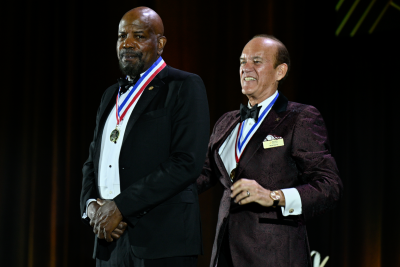
Warmest congratulations to Professor Cato Laurencin on his remarkable achievement of being inducted into the prestigious Plastics Hall of Fame. This honor recognizes his pioneering contributions to the field of regenerative engineering, where he has revolutionized the use of polymeric materials in developing cutting-edge medical devices, biologics, and pharmaceuticals. Prof. Laurencin’s groundbreaking work has transcended traditional boundaries, improving the lives of countless individuals worldwide.

Prof. Laurencin’s remarkable achievements have garnered significant acclaim, including the prestigious National Institute of Health Director’s Pioneer Research Grant Award and the National Science Foundation’s Emerging Frontiers in Research and Innovation Award. His innovative use of polymeric materials for tissue regeneration, drug delivery systems, and other medical applications has established him as a leader in the field. Prof. Laurencin is also the first engineer-scientist-surgeon to be elected to the National Academy of Sciences, the National Academy of Engineering, the National Academy of Medicine, and the National Academy of Inventors.

Read more on UConn Today.

Willis is Harvesting Parts of Sunshine to Expand the Use of Sunlight

Using nanoscale antennas, Professor Brian Willis is harvesting parts of sunshine not currently being used, expanding the use of sunlight for energy and making clean – and climate friendly – energy more affordable.

At the heart of Prof. Willis’ research lies the utilization of nanoscale antennas, tiny structures capable of capturing and manipulating light at the smallest scales imaginable. These antennas act as miniature powerhouses, harvesting parts of sunlight that have traditionally gone unused. This unprecedented approach not only expands the efficiency of solar energy collection but also significantly enhances the affordability of clean energy solutions.

Check out this cool video highlighting his research and read more on UConn Today.

Wei Ruan Wins 3rd Place in the 10th Annual Graduate Poster Competition

Wei Ruan

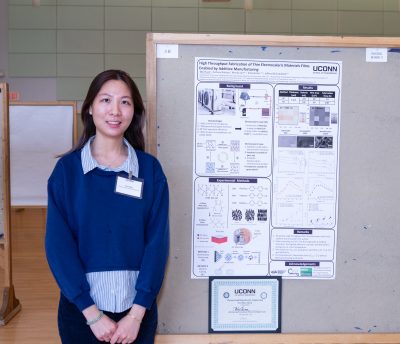
Warmest congratulations to Wei Ruan who won the 1st place Award in Chemical & Biomolecular Engineering and the 3rd place award at the College of Engineering with her work on “High Throughput Fabrication of Thin Electrocaloric Materials Films Enabled by Additive Manufacturing” at the 10th Annual College of Engineering Poster Competition.


Read more on the Graduate Programs.

Alanna Gado Awarded the NASA Connecticut Space Grant Consortium Graduate Student Fellowship

Warmest congratulations to Alanna Gado for being awarded the Graduate Research Fellowship sponsored by the NASA Connecticut Space Grant Consortium. Her work focuses on developing advanced catalyst-coated membranes for achieving high efficiency and high durability proton exchange membrane water electrolyzers under the advising of Professor Radenka Maric and in collaboration with Research Scientist Leonard Bonville and Associate Research Professor Stoyan Bliznakov. This research holds immense promise for the field of hydrogen production and clean energy technology, paving the way for sustainable solutions to our energy challenges. Read more on NASA Connecticut Space Grant Consortium.

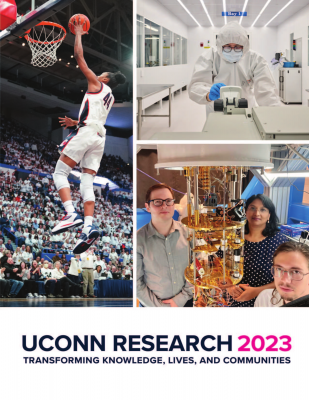
Four Faculty Members are Highlighted in the 2023 UConn Research Annual Report

In the latest 2023 UConn Research Annual Report, the exceptional contributions of four distinguished faculty members take center stage. President Radenka Maric, along with esteemed professors Kelly Burke, Xiao-Dong Zhou, and Cato Laurencin, have been featured for their groundbreaking work spanning the realms of sustainability, energy, health, medicine, and community development. The report underscores the significant impact of their research, showcasing their commitment to advancing knowledge and addressing critical issues that resonate across diverse fields.

Read more on UConn Research Annual Report

Microalgae for Poultry Nutrition: UConn Researchers Receive NSF Future Manufacturing Grant

The interdisciplinary research team will develop a novel biomanufacturing technology to use microalgae to produce an essential amino acid for poultry feed. From left to right: Rigoberto Lopez, Yongku Cho, Yangchao Luo, Yu Lei, Mingyu Qiao, and Burcu Beykal. (Nick Snow, CAHNR photo)

Congratulations to Professors Burcu BeykalYongku Cho, and Yu Lei on winning the $500,000 grant from the National Science Foundation (NSF)’s Future Manufacturing initiative!

This interdisciplinary team with Professors Mingyu Qiao (PI), Yangchao Luo, and Rigoberto Lopez from UConn College of Agriculture, Health and Natural Resources, and Professor C. Patrick Heidkamp from Southern Connecticut State University will tackle carbon-neutral amino acid synthesis with microalgae.

They will also develop an Artificial Intelligence (AI) model to determine, essentially, when the algae should act like a plant and when it should act like a microorganism based on the availability of sunlight or other essential nutrients to minimize costs. The AI model will automatically calculate how much of a given resource, like sugar, is needed to optimize amino acid production.

The grant will also include workshops for underrepresented high school and community college students to help prepare them to enter the biomanufacturing workforce in collaboration with Southern Connecticut State University.

Read more on UConn Today.

Dorian Thompson Wins Graduate Student Competition in Sensors at the AIChE Annual Meeting

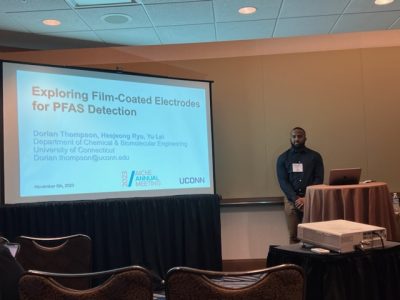
Dorian ThompsonWarmest congratulations to Dorian Thompson for an outstanding achievement—securing the 3rd place in the Graduate Student Competition in Sensors at the AIChE Annual Meeting! Dorian works on PFAS detection under the advising of Professor Yu Lei.

This win is a testament to the hard work and commitment of our graduate students, driving forward groundbreaking advancements in the field. Here’s to the continued success and impact of our student’s research at the forefront of chemical and biomolecular engineering!

EPA Testing Shows the Power of DIY Air Filters to Trap Viruses

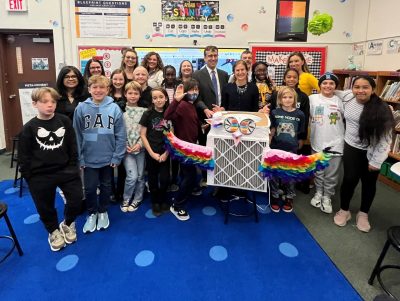
After the EPA released its exciting testing results about the power of D-I-Y air filters, Lt. Governor Susan Bysiewicz took a celebratory photo with 5th graders at Macdonough Elementary School in Middletown, Conn. along with State Sen. Matt Lesser, and researchers from the EPA and UConn’s Indoor Air Quality Initiative.

The UConn Indoor Air Quality Initiative Team which our very own Professor Kristina Wagstrom is a co-investigator in, has just unveiled groundbreaking results from their collaboration with the US Environmental Protection Agency!

Their findings reveal that DIY air filters (known as ‘Corsi-Rosenthal Boxes’) can remove over 99% of viruses within just one hour. This breakthrough has enormous implications for improving indoor air quality and public health. This research not only advances the field of environmental science but also presents an incredible opportunity to engage students of all ages in meaningful projects that have a tangible impact on their communities.

Professor Wagstrom has also highlighted that “It’s not only a cool, fun thing to build, but it’s something they can actually connect to their everyday lives and helps them connect to how STEM and science and engineering can really help people.”

Read more on UConn Today.

Read more on News 8 Daily News (WTNH).

Burkey wins $2.5M NSF S-STEM Grant to Support Students Majoring in Computing, Data Sciences

Dan Burkey PhotoA newly awarded $2.5M National Science Foundation (NSF) Scholarships in Science, Technology, Engineering, and Mathematics (S-STEM) grant—spearheaded by Professor and Associate Dean Daniel Burkey—will support low-income and first-generation students majoring in computing and data science at the University of Connecticut (UConn).

Professor Burkey said UConn will use the grant—titled “Community, Identity, and Competence: Supporting Low-Income Students in Computing and the Data Sciences”—to assist approximately 30 students over the next six years of the grant. Students, who will go through an application and selection process, will be eligible for up to $15,000 per year throughout the entirety of their degree.

S-STEM is a signature program from the NSF that supports low-income and first-generation students with academic ability, talent, or potential to pursue successful careers in promising STEM fields. The grant includes scholarship funds as well as a cohort model that provides various programmatic, curricular, and co-curricular activities to ensure that students are well-supported, from matriculation through graduation, and prepared for the workforce or further graduate study. Read more on Engineering News.

Inspiring Story of our Ph.D. Student Laron Burrows

Laron BurrowsLaron Burrows, making remarkable strides in environmental innovation. His groundbreaking work focuses on cleaning up one of the world’s dirtiest chemical processes, ammonia production. Along with Prof. George Bollas, he has developed a new chemical looping reactor that is smaller, more efficient, and less expensive than traditional methods.

Laron is an entrepreneur at heart, and his startup company Andros will be competing in two major entrepreneurship challenges later this month. Best of luck to him!

Read the full article to learn more about Laron’s incredible journey and the impact they are making in UConn Today.

Meet the Researcher: George Bollas, UConn Tech Park

g-bollas-IMG_2189Consider the complexity of a modern passenger airliner. An aircraft is a self-contained “system-of-systems,” consisting of a diverse assortment of interdependent subsystems and components working together. Electrical, hydraulic, flight control, fuel handling, cabin pressurization, and engine systems are all crucial parts of a functional aircraft, each with their own constraints and requirements in addition to those of the aircraft as a whole.

The complexity of engineering interconnected systems like aircrafts — or, for that matter, power plants, smart buildings, and modern manufacturing facilities — has led many industries to migrate toward formalized systems engineering, considering large systems holistically.

Led by George Bollas, the United Technologies Corporation Institute for Advanced Systems Engineering (UTC-IASE) has been solving these real-world problems for industry since 2013.

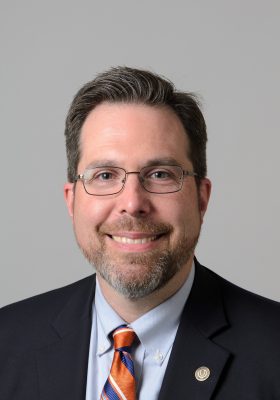
Bollas, who is a professor of chemical and biomolecular engineering in UConn’s School of Engineering, focuses his research on process design, simulation, optimization, control, and diagnostics. These research interests align seamlessly with the needs of industry partners like United Technologies Corporation.

Located in the University of Connecticut Tech Park’s Innovation Partnership Building, UTC-IASE is working on some of the most pressing challenges for businesses and research sponsors using innovative approaches to model-based systems engineering.

“We have converted it to something that is self-sustained and can work with United Technologies at many levels, but also engage other satellite industry partners, the state, and federal agencies to have a greater impact,” says Bollas.

Location, Location, Location

At UConn Tech Park, students from different departments and research groups in the School of Engineering who are working on different projects managed by the UTC-IASE can come together in a central location. Much like the complex operations the students are researching, their individual projects and skills all work together to make systems more efficient. Bollas says this allows for close collaboration and frequent discussion of what each individual group is tackling.

“For the first time we’re all in one place,” Bollas says. “To develop that culture for students, where they work next to each other, day and night, and all that good competition that comes out of it is very positive for the mindset and culture both at UConn and when these students go out in the workforce.”

“Industry often focuses on measurable outcomes, seeking means for producing their products better, faster, and at reduced cost. Awareness of these tangible impacts helps students understand the importance of their research”, says Bollas.

“In many cases, you know from the get-go that you are going to help a company solve a $10 million-a-year problem. It’s very exciting for the students to work on something that they understand has immediate value and impact on such a huge scale,” Bollas says.

Many of the students at the UTC-IASE go into careers with United Technology Corporation or other companies in the area of manufacturing, energy, aerospace, building, and robotics. The experience contributes to the preparation of graduate and undergraduate students for these careers as they learn to communicate with industry partners effectively and consistently.

“It’s a natural next step,” Bollas says. “It’s very helpful to know where they might be going, what they’re going to face in industry or academia.”

In addition to graduate research, UTC-IASE exposes UConn students to business professionals through a training program that was originally designed for employees of the corporation. Bollas says this training is critical, since the entire concept of systems engineering works to un-train students from thinking about problems in terms of their own specificity.

“In both research and training, we emphasize the concept of system-level thinking. One needs to understand what the entire system looks like – from architecture to requirements, design, commissioning, performance, and maintenance. This approach relies on thinking of the entire life-cycle of a system from design to decommissioning.”

To accomplish this, UTC-IASE offers training of professionals through a formal Graduate Certificate and a Master of Engineering program in Advanced Systems Engineering. These programs are offered to geographically dispersed professionals as well as students at UConn who are interested in developing a unique and valuable set of skills in the areas of model-based systems engineering of cyber-physical systems.

“We’re helping lifelong learning for the existing engineering workforce,” Bollas says. “We’re helping them understand what is the state-of-the-art, and some of the approaches and solutions to the problems they are dealing with in their everyday work. We call this integration of undergraduates, graduate students, and professional engineers a ‘talent eco-system’ that can produce and sustain a modern engineering workforce in the state and for the nation.”

Big Problems, Real Solutions

Bollas is currently collaborating with Collins Aerospace to improve fault detection and isolation methods. The advanced detection algorithms Bollas and his research team are developing are optimized for actively identifying faults during aircraft operation and helping to reduce false alarms. This project has already led to two patent applications filed jointly by UConn and Collins Aerospace.

“We’re transferring what we develop here at the university to actual industry environments, where we have access to all the data, constraints, requirements, and system-specific details. We do this through internships and sabbatical leaves, and this has really been a wonderful model for technology transfer,” Bollas says. “I’m not sure we’d be aware of the significance and limitations of our research if we weren’t working with a technology leader like UTC.”

Bollas again points to the importance of location, both in Connecticut and at Tech Park, to help the institute grow.

“There are so many opportunities generated for the institute just because we are located here,” Bollas says. “We’re working with several other Tech Park centers and their industry partners since they are more and more focused on ‘smart’ processes for manufacturing.”

Bollas is referring to a paradigm shift dubbed Industry 4.0 or “smart manufacturing,” which places emphasis on cyber-physical systems. Cyber-physical systems include physical machines controlled by computer-based algorithms that are deeply ingrained in the so-called Internet of Things. To remain competitive, companies like Collins Aerospace and Pratt & Whitney have been investing in the development of smart manufacturing technologies in their respective industries.

By having access to test beds at the Connecticut Center for Advanced Technology and the Pratt & Whitney Additive Manufacturing Center in the IPB, the UTC-IASE researchers working on smart manufacturing projects with the Department of Energy provide a better picture of how well their research, algorithms, and solutions will work when used in an industrial setting.

“Smart manufacturing solutions are sometimes easy on a computer, but when you actually have to deploy these advanced technologies, it’s very helpful to have test beds we can use right here at the Tech Park,” Bollas says.

Bollas says he is proud of laying a strong foundation for future growth through partnerships with industry and federal agencies on such a large scale. Moving forward, he has no doubt that the research collaborations taking place at UTC-IASE will continue to generate innovative, real-world solutions that help Connecticut and its industry partners grow.

 – Anna Zarra Aldrich ’20 (CLAS), Office of the Vice President for Research
 

Senior Design Day 2015

By Sydney Souder
senior design studentsMay 1, 2015 marked the School of Engineering’s much anticipated Senior Design Day. The Department of Chemical & Biomolecular Engineering showcased the projects of 13 teams at the event, a school-wide poster competition held on the floor of the Gampel Pavilion arena.
Each team of students spent the entirety of their senior year on a single open-ended capstone design project. The teams began their journeys with a written description of their project, and a faculty and an industry advisor to mentor them as they tackled the challenge.

Over the next eight months, students presented multiple oral presentations and submitted a range of written reports. The poster competition is the final step where the student’s designs are summarized on a 2’ by 3’ poster board display for the public.

On this ultimate design day, both the posters and students are judged. This year, CBE was pleased to host 14 industry experts to judge the posters. Half of these judges were UConn chemical engineering alumni. Each team of students had their poster and verbal pitch evaluated five times.

team captionThis year’s assortment of projects varied from inventing a human habitat on Mars, to designing wastewater treatments for Unilever. Visitors were even treated to samples of sugar-reduced ice cream developed by a student team for UConn’s Dairy Bar. The following teams earned the highest scores:

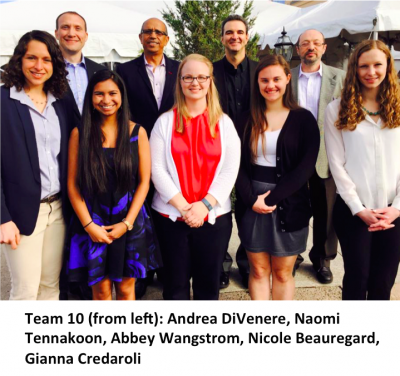
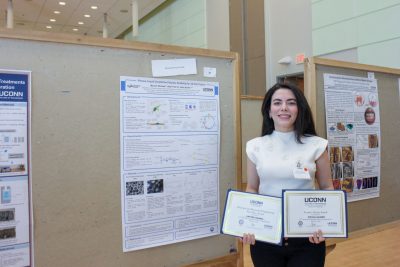
First place was awarded to Team 10 whose project was titled “Novel Production and Purification of Manganese Dioxide.” The team consisted of Nicole Beauregard, Gianna Credaroli, Andrea DiVenere, Naomi Tennakoon and Abbey Wangstrom, and they were advised by Dr. Bill Mustain. Duracell sponsored their project to produce and characterize a more pure electrolytic manganese dioxide for use in alkaline batteries. By incorporating electrolyte additives, impurities in the material can be decreased. A battery with higher capacity can improve Duracell sales, lessen the environmental burden of battery waste products, and enhance the consumers’ trust in their power.

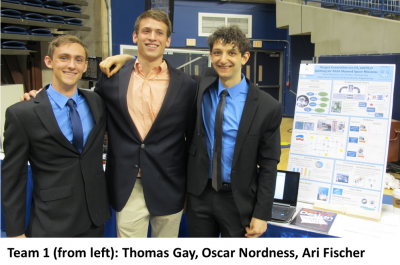
Team4CaptionSecond place was awarded to Team 1 for their project “Oxygen Generation via CO2 and H2O Splitting for NASA Manned Space Missions.” Thomas Gay, Ari Fischer and Oscar Nordness made up Team 1, and they were advised by Dr. George Bollas. Team 1 used a chemical looping process to implement a metal oxide oxygen carrier for the Oxygen Generation System (OGS) in NASA’s International Space Station. Potential benefits of their system could reduce size and mass of the OGS as well as improve its electrical efficiency.

Third Place was received by Team 4 for their project “Defluoridation of Ethiopian Groundwater for Human Consumption.” Dr. Doug Cooper advised the group of Jack Edmonds, Gabriella Frey and George Shaw. Due to the pressing health concerns from fluoride contaminated water, the goal of their project was to design a cost effective method of removing upwards of 90% of fluoride ions in groundwater used for human consumption. Current methods use imported technologies from China which are expensive and prone to shipping delays, especially in third world countries. Team 4 created a new method to defluoride water using magnesium oxide, a mineral already existing in Ethiopia.

“Design day is wonderful conclusion to the undergraduate journey,” says Dr. Cooper, professor and head of the department. “Our students show off their hard work, and visitors enjoy learning about the creative and sophisticated solutions they have developed.”

Research Insight: Nanostar

By Sydney Souder

mu ping niehDr. Mu-Ping Nieh hopes to discover elusive secrets in the nano-structures of functional materials using the new X-ray scattering machine he and his collaborators have secured for the University of Connecticut. His work focuses on the study of soft materials, and in particular, understanding their nanoscopic structures to optimize their functions. With the new, top-of-the-line Nanostar SAXS instrument, Dr. Nieh expects to take his research to the next level.

Acquired through a competitive National Science Foundation Major Research Instrumentation (MRI) Grant, the Nanostar SAXS is a sophisticated instrument that allows researchers to probe the nanostructures of materials in a large sample area. Specifically, it can identify the shape, size, aggregation behavior, polydispersity, interparticle interactions and surface (interfacial) area of a system.

The instrument works by sending an X-ray beam at a sample of interest. As the X-ray hits the sample, the beam diffracts and scatters into different angles. This scatter pattern can reveal information on the nanostructure of the sample. The method can be applied to a broad range of materials including liquids, solids, thin films and gels. This makes the tool valuable for those investigating the structure-property relationship substances. It also enables industry partners to perform fundamental research and to design and develop materials . Dr. Nieh hopes to build on this interest by establishing a regional center for nanostructural characterization for UConn and industrial partners.

Beyond current and collaborative research, having access to the instrument is also an invaluable opportunity for students. “The Nanostar instrument will be used to train the next generation of scientists and engineers through hands-on research experience,” says Dr. Nieh. “I encourage potential research and industry partners to contact me if they would like to learn more.” Dr. Nieh will teach a webinar course “Small Angle X-Ray Scattering (SAXS) for Nanostructural Characterization” to the public through the Institute of Materials Science’s Affiliate Program later this year.

Bollas Receives Mentorship Excellence Award

By Sydney Souder

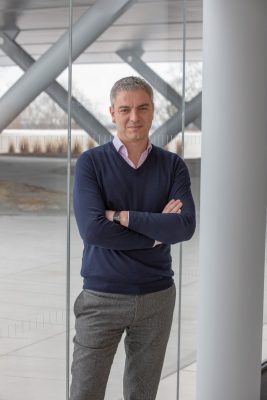
professor bollasDr. George Bollas, Assistant Professor of the CBE Department, is the first recipient of the Office of Undergraduate Research’s (OUR) Faculty Mentorship Excellence Award. He received the award at the 18th Annual Frontiers in Undergraduate Research Poster Exhibition on Friday, April 10, 2015.

With this award, OUR recognizes the critically significant role that mentors play in supporting their undergraduates’ research and creative activity. A committee of OUR Peer Research Ambassadors selected one faculty recipient and one graduate student for the Mentorship Excellence Award recognizing their dedication to their students.

Ari Fischer, one of his mentees who contributed to his nomination, presented the plaque to Dr. Bollas. Fischer commended Dr. Bollas’ extraordinary commitment to challenging and supporting his students. He attributes Dr. Bollas’ influence to helping his mentees achieve their research, personal, and professional goals. Dr. Bollas has helped his students formulate their own research projects, apply for fellowships and publish their own work.

Bollas’ current research group consists of seven Ph.D. students, one Masters student, and 10 undergraduates. Fischer asserts that Dr. Bollas’s dedication is not limited to just those in his lab, but to all of his students; he pushes them to get the most out of their education.

Although honored by his new plaque, Dr. Bollas explained what he considers his real prize. “At the end of the day we’re given the opportunity to spend time with these amazing, fresh minds hungry for knowledge and work, and that is what is most rewarding.”


Engineering Ice Cream

By: William Weir

DairyCaption1What happens when you mix UConn’s renowned Creamery and its top-notch Chemical Engineering department? If things go right, you get an ice cream that forgoes traditional sugar, but still earns a place along with the famously delicious ice creams at the Dairy Bar.
That’s the goal of two student teams working toward Senior Design Day. That event, May 1, is when students in the School of Engineering present their work toward solving a particular problem.  Both teams are working with advisor Anson Ma, assistant professor in the Department of Chemical and Biomolecular Engineering and the Institute of Materials Science.

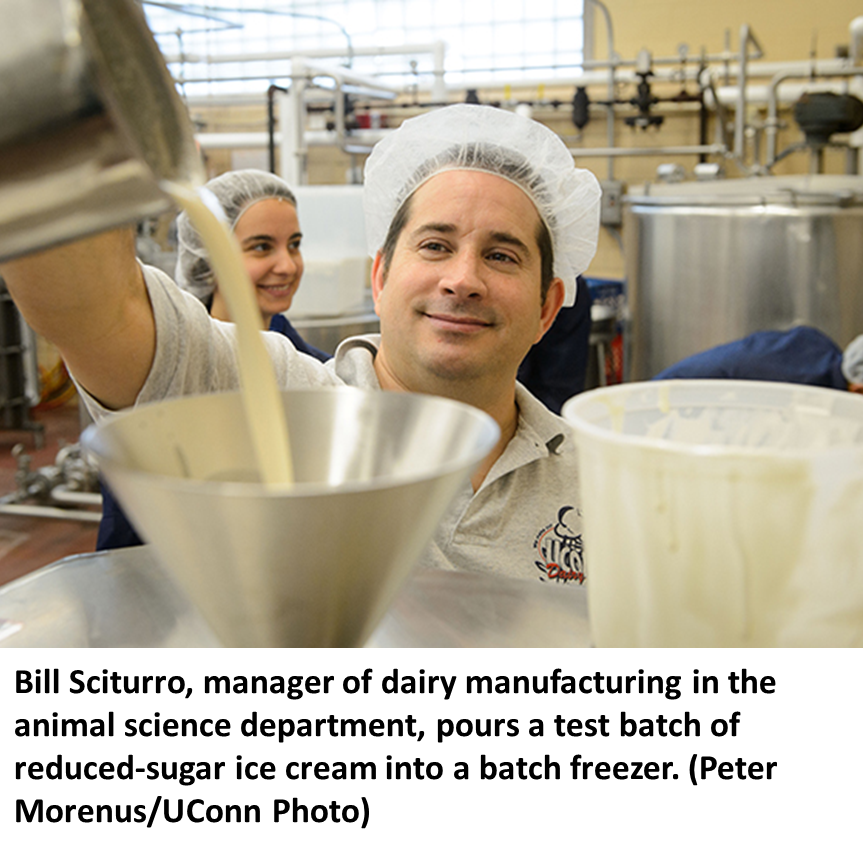
DairyCaption2One of the teams met on a recent morning at the UConn Department of Animal Science Creamery in the George White Building. This is where UConn’s ice cream is produced and later sold at the Dairy Bar next door. Bill Sciturro, manager of dairy manufacturing in the Department of Animal Science, helped the team work the batch machine, which freezes the mixture into ice cream. The aptly named machine makes one batch at a time – no more than a half gallon – and is used for testing purposes. Once a new recipe meets Creamery standards, it goes into production and is made with the continuous machine, which operates on a minimum of 50 gallons.
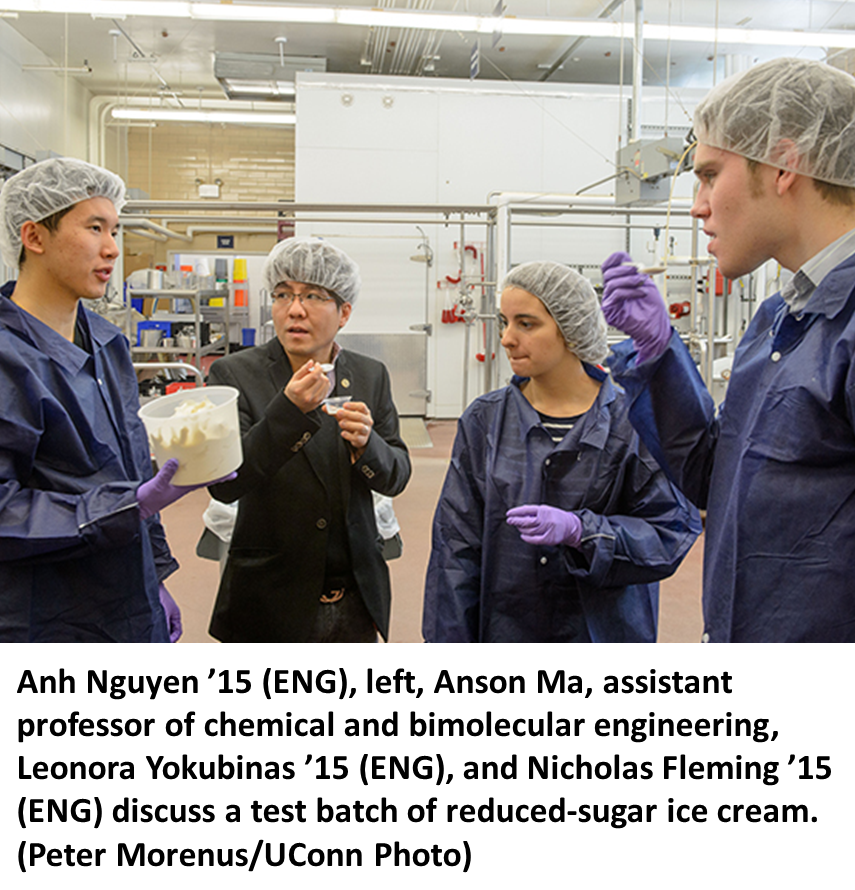
Instead of cane sugar, this team is using erythritol, a natural sweetener derived from corn. They did so after surveys indicated a demand on campus for ice cream with alternative natural sweeteners. Erythritol is up to 70 percent as sweet as table sugar and has almost no calories. Most ice cream companies would call this “sugar-free” for marketing purposes. The students call it “reduced-sugar” because they’re scientists, and they’re counting the sugar that already exists in the milk. Get rid of lactose, they say, and you’re working with a whole other set of circumstances.

DairyCaption3Ice cream’s semi-solid state is the result of a fragile balance of ingredients, and it’s no easy trick to replace old-fashioned sugar and still get the rich taste and texture that makes the Creamery’s ice cream so popular.
“It’s difficult to change the solids, because that changes the freezing point – and that determines the way it behaves as an ice cream,” said Nicholas Fleming, one of the three team members. Too many salts and carbohydrates, he said, and the freezing point becomes too high for conventional freezers. To get it right, the team did a lot of experiments and calculations with heat transfer and ice recrystallization to see how their product fared with the Creamery’s current storage practices.

Considering the complexities of ice cream’s makeup, Ma says he is impressed by the students’ achievements so far. “Both teams have applied what they have learned in their engineering classes to arrive at their final recipe, while being cognizant of the economic feasibility, environmental impact, health, and safety,” he says.

So why ice cream? Using examples from everyday life is one of the most effective ways to engage the younger generation and the general public in science, Ma says: “The ice cream project really satisfies my passions for education, research, and food simultaneously!”

DairyCaption4After finishing the first batch at the Creamery, the team handed out samples to a few observers. Even at the very non-ice cream hour of 9 a.m., it proved a tasty snack – smooth, creamy, and betraying no indication of a non-traditional sweetener. At least to the casual observer. The team members were glad that the erythritol left no chemical hints or after-taste, but they agreed that the batch could use more vanilla. Team member Anh Nguyen said his ice cream palette has become a good deal more discriminating since the start of the project: “I’m a lot more picky.”

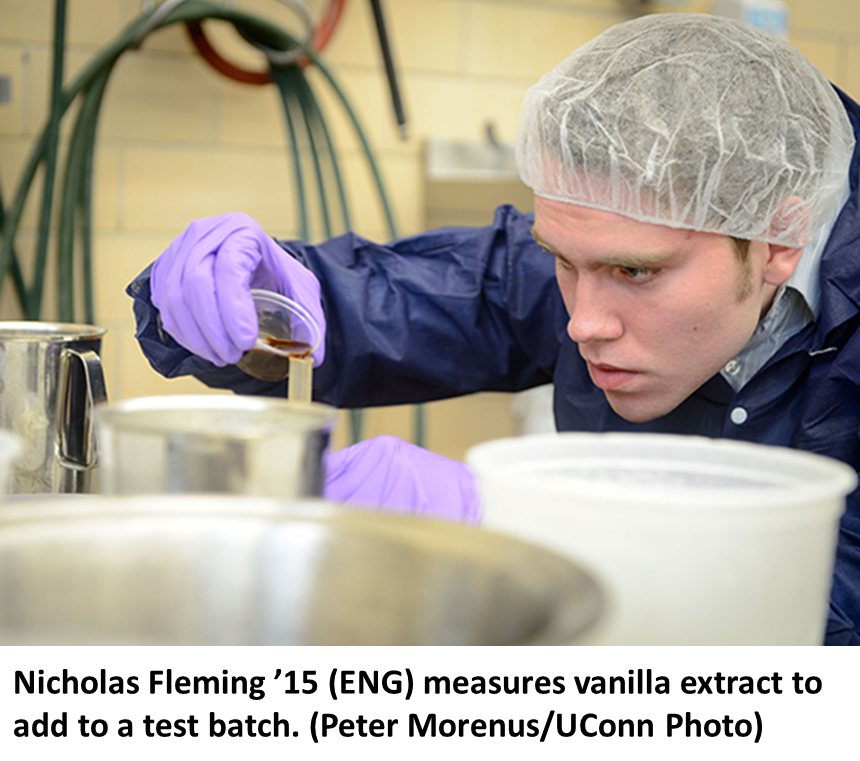
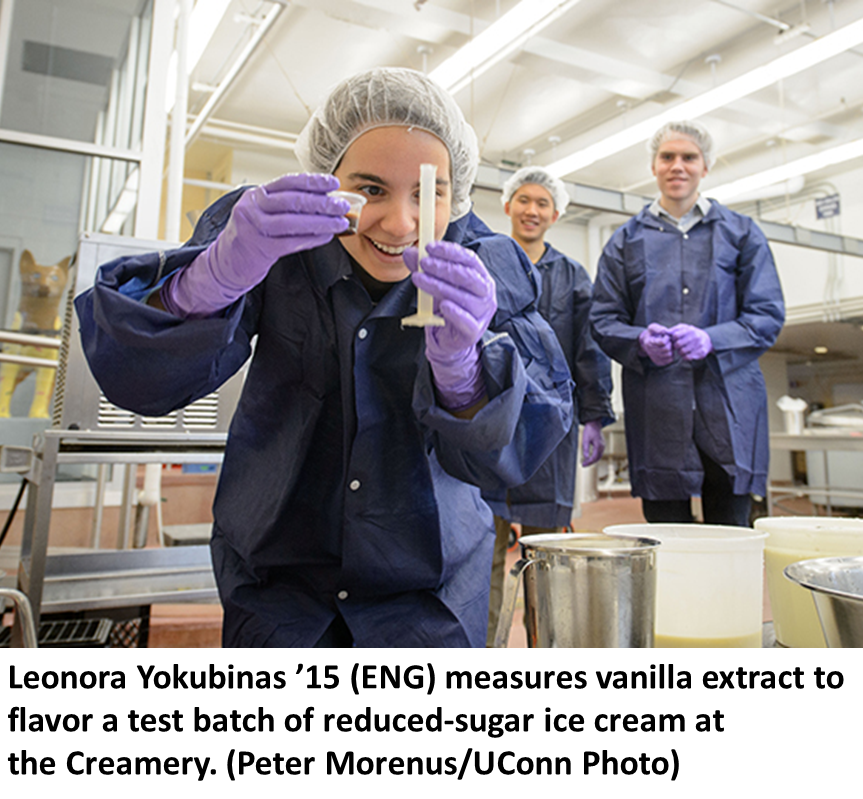
For the next batch, team member Leonora Yokubinas was a little more generous with the vanilla extract, which she poured from a gallon jug into a graduated cylinder. They reached a consensus after a second taste test: erythritol-based ice cream is just about consumer-ready.

Ma’s other student team is using Splenda – an artificial sweetener derived from sugar. Team members Ivan Nguyen, Christina Fenny, and Mason Gao say they chose Splenda because it is FDA-approved, and has fewer harmful side effects than other artificial sweeteners (such as aspartame and acesulfame potassium). It’s also 600 times sweeter than sugar, so they don’t need to use much. This also means that there is less solid content in the base composition, however, so large ice crystals can form and make for a less creamy texture.

To address this issue, the team is flash-freezing their mixture with liquid nitrogen. This, they say, allows for some flexibility with the ice cream’s base composition because it freezes the ice cream quickly enough to form extremely small ice crystals – the key to maintaining a smooth texture.

Sciturro is just as invested in these projects as the students; the Dairy Bar could use a low-sugar option. They haven’t offered one in the past, but there have been requests. Rarely do people go to an ice cream parlor specifically for a low-sugar treat, he says, but if someone with special dietary needs comes with their family then it’s great to have that option: “After all, who doesn’t know someone who has a need for low-sugar foods?”

Faculty Spotlight: Dr. Kelly Burke

By Sydney Souder

Kelly Burke '05 (ENG)Dr. Kelly Burke is excited by the multidisciplinary challenges of developing bio-derived polymers and stimuli-responsive materials in her lab. An assistant professor in the Department of Chemical & Biomolecular Engineering, her work encompasses elements of medicine, biology, chemistry, tissue engineering and materials science. As a key member of the Polymer Program in the Institute of Materials Science, she is well-poised to develop a program that answers her fundamental research questions.

In her words, Dr. Burke’s work is a marriage between her graduate and post-doctoral projects. During her graduate studies at Case Western Reserve University, she studied polymer synthesis and characterization. She then delved into the world of silk materials as an NIH postdoctoral fellow at Tufts.

silk“Typically, we think of silk as a means of creating fabrics or sutures. However, it is possible to chemically modify the proteins in silk materials to alter their functionality.” To this end, she is using her breadth of experience to create stimuli-responsive biomaterials from silk.

Dr. Burke’s goal is to manipulate silk polymers so that human cells respond to her materials. Specifically, she aims for her materials to moderate inflammation and promote healing. This could be invaluable for people with chronic diseases that impede healing, such as diabetes. Most existing wound materials are passive and only protect the area from bacteria and dirt. Dr. Burke seeks to create an interactive material that controls cells and encourages healing. Natural silkworm material is not recognized by the body, so the challenge is to ensure they respond to the chronically-inflamed environments.

“In many ways, being on the faculty at UConn is like coming home,” Dr. Burke says. An alumna who earned her B.S. in chemical engineering in 2005, she knows the people and the campus, including her favorite dairy bar ice cream flavor (Coffee Expresso Crunch).

With tremendous support from Connecticut state initiatives like Next Generation Connecticut, Tech Park, and Bioscience Connecticut, Dr. Burke says with a smile, “It’s an exciting time to be at UConn.”


Grad Student Spotlight: Christine Endicott

By Sydney Souder

Graduate student Christine Endicott is a true UConn Husky. Although a Vermont native, she received her B.S. in Chemical Engineering at UConn in 2008. Now, she’s back and in the second year of her PhD studies. And more? She’s still a Gampel season ticket holder.
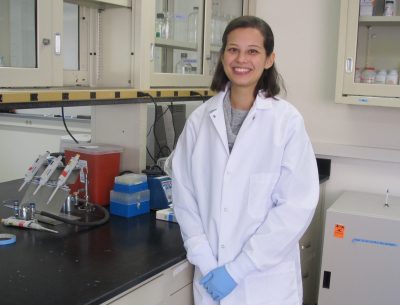
“I had such a positive experience here as an undergraduate. I love the campus, and the environment in the Chemical Engineering department.” She adds, “My advisor, Dr. Srivastava, has been a mentor to me since I started at UConn back in 2004, so it was an obvious choice to return and work with him to complete my PhD.

The research performed here at UConn is highly relevant to today’s engineering challenges. Christine is currently trying to develop new antibiotic treatment methods for infectious diseases. “I love that I’m working on the potential next generation of infection control. Antibiotic resistance is a real problem, and the idea that I could save lives is extremely rewarding.”

Christine describes the graduate student environment here as one of comradery and collaboration. She and other students often take breaks together, and use each other’s experiences to help each other view their work in different lights. Pursuing her PhD at UConn has also provided her opportunities to grow outside of the lab. Christine has taught physics at UConn’s summer BRIDGE program, and has gained experience in writing grants by preparing a proposal for the National Institutes of Health (NIH). As a National Science Foundation GK12 Fellow, Christine also interacts with students at AI Prince Technical High School in nearby Hartford to stimulate their interest in STEM fields.

“UConn is a great place to pursue a PhD. It has the right combination of great science, professors who care about you as a scientist and as a person, and great college basketball.”


CBE Professor Awarded Prestigious NARSAD Grant

By Sydney Souder

Young ChoDr. Yongku Cho, Assistant Professor in the Department of Chemical and Biomolecular Engineering, has received a prestigious and highly competitive NARSAD Young Investigator Grant. Funded through the Brain & Behavior Research Foundation, NARSAD grants are dedicated to research in brain and behavior disorders. The Young Investigator Grant supports promising young scientists conducting neurobiological research.
Dr. Cho’s two-year grant offerscritical backing to enable him to collect pilot data for his innovative ideas. His grant will support Dr. Cho’s research group to develop a novel approach for rapid and reversible knockout of target genes. His group will research which regulated protein levels affect brain circuits. They will specifically study the mechanism of GABAA receptor dysfunction. Deficits in GABAA receptor function have been linked to multiple neurological and psychiatric disorders, such as epilepsy and schizophrenia. With his new technique, he intends to study the role of GABAA receptor interacting proteins, which may lead to therapeutic targets for such diseases.

First exposed to engineered antibodies during his graduateresearch at Wisconsin, Dr. Cho is now interested in manipulating these proteins to include new functions. “The broader objective of the work is to engineer antibodies with useful functionalities that they normally would not have,” says Dr. Cho.

If successful, this project could have wide applications and might connect with UConn’s interests as well. Dr. Cho foresees a potential collaboration with the Jackson laboratory for Genomic Medicine. The new laboratory at UConn’s Farmington campus seeks genomic solutions to disease, making medicine more precise and predictable. They are one of world’s leading institutes for transgenic mouse research.

“With the methods from this research, we might be able to pinpoint gene functions within such model organisms,” says Cho. For more information on Dr. Cho and his research, please visit his website.


REU Summer A Success

By Sydney Souder

For the third consecutive summer, UConn’s Chemical & Biomolecular Engineering (CBE) Department hosed an NSF sponsored Research Experience for Undergraduates (REU) summer program.
“The unique aspect of our REU,” said Dr. Jeff McCutcheon, principal investigator for the NSF grant supporting the program, “is that we connected student participants with faculty mentors and company sponsors for a true entrepreneurial or business oriented research experience.”

Lasting ten weeks this past summer, participating students were advised by both faculty and industrial partners, providing them with a unique experience at the interface of academic research and commercialization.

Projects varied across the spectrum of chemical engineering and materials science. This summer produced the following projects: Ceramic Nanofilm Depostion for Vapor Detection Devices (Proton OnSite), Implantable, Wireless Biosensors for Diabetes Care (Biorais), Graphene Polymer Nanocomposites (Cabot Corporation), Water Based Anodes for Lithium Ion Batteries (BYK Additives & Instruments), High-Performance Nanostructured Organic/Inorganic Hybrids for Functional Applications (Nanocor), Development of Scalable Droplet Microfluidic Devices (BASF), Increasing Soil Water Retention with Bacteria (DuPont), Characterization of TiO2 Thin Films on 316L Stainless Steel Formed using a Sol-Gel Technique (VeruTEK Technologies), Plasmonic Nanodevices for Solar Energy Harvesting (Scitech Solar), and Sustainable Biofuels Production (RPM Sustainable Technologies).
Students spent their summer in a world-class academic research laboratory with state-of-the art instrumentation. They also toured local incubator spaces, and participated in an Innovation Accelerator event at a local private incubator.

Laboratory time was balanced with workshops to improve students’ writing and presenting skills. One unique aspect of the program was the short business seminar during which students experienced a flavor of the business side of innovation.

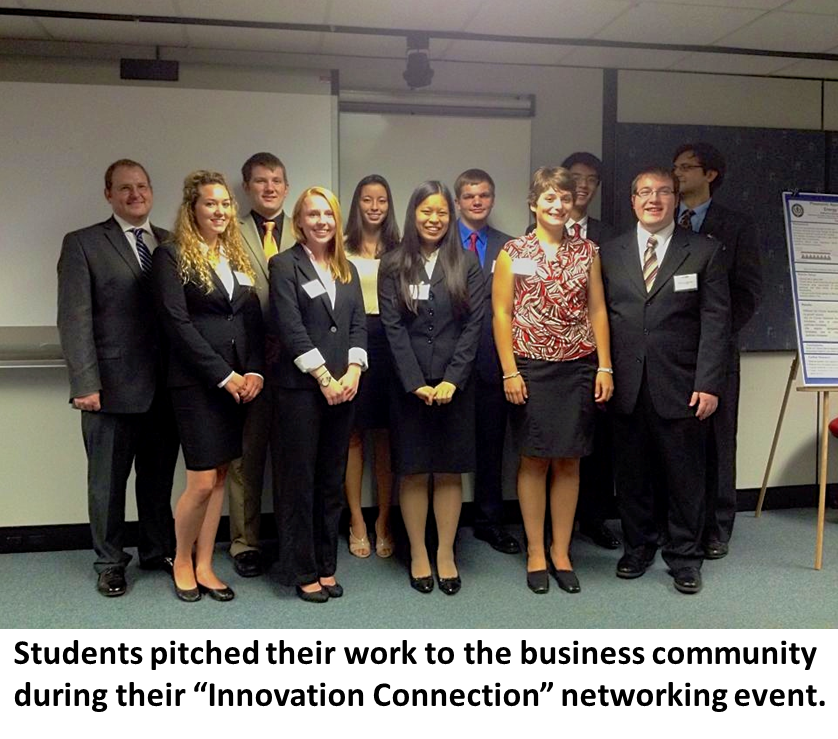
This preparation came in handy for the “Innovation Connection” networking event at summer’s end. Participants pitched their work to the region’s business community during their poster session, and networked with over one hundred people in the field.

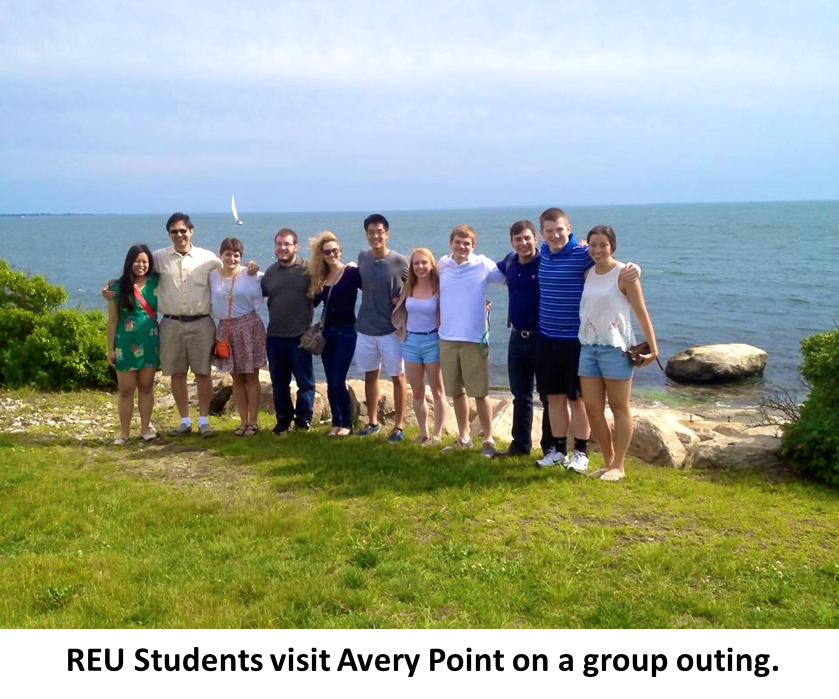
The REU experience did much more than the name may imply. This summer’s group of students also held their own barbeques, organized outings to UConn’s Avery Point campus, Mystic, and even attended a New Britain Rock Cats baseball game. These recreational events enriched the already memorable program to an unforgettable summer experience.

Dr. Yu Lei Receives US Patent for Explosive Detecting Sensors

By Sydney Souder

Yu LeiDr. Yu Lei, Associate Professor of Chemical and Biomolecular Engineering at the University of Connecticut, received a US Patent for his explosive detection technology.

Working with Ying Wang, a former graduate student, Dr. Lei engineered a sensor that provides clear and near-instant results upon contact with explosive vapors. “We initially wanted to synthesize low-cost materials that change color almost immediately when in contact with explosives,” says Lei. The project proved successful and was recently awarded a patent entitled, “Explosives Detection Substrate and Methods of Using the Same.”

The detector senses a range of explosives, from TNT used in construction, to RDX used by the military. It reveals minute traces of explosives when exposed to UV light and viewed by the naked eye.

Lei is now expanding his detection technologies in other forms beyond vapor detection. His latest research seeks to develop a nanoporous florescent film and a fluorescent protein that can reveal explosives in aqueous solutions.

These projects acknowledge funding by the National Science Foundation, the University of Connecticut Prototype Fund, and the Department of Homeland Security. For more information on Dr. Lei and his research, please visit his website.

Students Design Artificial Kidney with 3-D Printing

By Rob Chudzik. Republished with permission of UConn Today.

Three-dimensional printing has garnered coverage in the popular press for its application in the custom manufacturing of tools and mechanical parts. But six School of Engineering seniors have recently taken the application of the technology into the medical field, using 3-D printing to create body parts.

Under the direction of Anson Ma, assistant professor in the Department of Chemical and Biomolecular Engineering and the Institute of Materials Science, two three-person teams of chemical engineering students were tasked with creating an artificial kidney for their Senior Design Project using 3-D printing technology. 3-D printing is an additive manufacturing method capable of creating complex parts that are otherwise impossible or extremely difficult to produce.

The students participating were: Derek Chhiv, Meaghan Sullivan, Danny Ung, Benjamin Coscia, Guleid Awale, and Ali Rogers. They are one of the first classes of students to partner with a commercial 3-D printing company, ACT Group, to create a prototype.

The challenge the teams set out to tackle is rooted in a very real problem.

The United States Renal Data System reports that, as recently as 2009, End-Stage Renal Disease (ESRD) resulted in over 90,000 deaths. Options for treatment of renal disease are essentially limited to either an organ transplant or dialysis. However, there is a limited supply of transplantable kidneys, with demand far outstripping the supply; and dialysis is expensive and is only a temporary solution.

According to data from the National Kidney Foundation, there are currently nearly 100,000 people awaiting kidney transplants in the United States, yet only 14,000 kidney transplants took place in the country this year. An additional 2,500 new patients are added to the kidney waiting list each month. Faced with these challenges, the two UConn teams set out on a year-long effort to design and develop a prototype of a cost-effective, functional artificial kidney using chemical engineering principles and 3-D printing technology.

“The objective of the design project is to get these students to combine the latest technology and their chemical engineering knowledge, learned over their four years at UConn, to solve a technical problem where we can make a difference,” notes Ma. “Can they push the technology further?”

Guleid Awale, one of the seniors, said the two design teams each took a slightly different approach to the problem. “While the other team utilized techniques such as electrodialysis and forward osmosis in their prototype, our group opted for mainly hollow fiber membrane technology commonly found in traditional hemodialysis treatments.”

Benjamin Coscia ’14 (ENG) explains the hollow fiber membrane technology: “Because 3D printing resolutions are not currently low enough to print a structure which will actually filter blood, the file is of only the shell of the kidney. Hollow fiber membranes will be installed on the inside to do the filtration function. The kidney will then be sealed together using the threads and sealing o-rings. A fluid called dialysate will be circulated on the outside of the membranes, inside of the shell, which will cause flux of components from the blood. A waste stream maintains the person’s ability to urinate. The outside of the shell can be used as a substrate for growth of biological material for ease of integration into the body.”

After undertaking the research and development of the design, the teams designed the prototype using AutoCAD software. Then each team collaborated with UConn technology partner ACT Group of Cromwell, Conn. to select the appropriate polymers, as well as the right printer to use in printing the particular prototype design.

The two teams presented their projects on May 2 at the School of Engineering Senior Design Demonstration Day.

“The biggest challenge in approaching the project was applying the engineering knowledge we’ve gained during our undergraduate years to a more complex biological application,” Awale notes. “This forced us to come out of our comfort zone and rely on our problem-solving skills in order to come up with viable solutions.”

Faculty Spotlight: Prof. Kristina Wagstrom

By Sydney Souder

Professor WagstromProf. Kristina Wagstrom, through work in her Computational Atmospheric Chemistry and Exposure Lab, strives to improve the science and functionality of computational approaches in air pollution. Her overarching objective is to develop improved regional and global air pollution models for use by the Environmental Protection Agency (EPA) and other state agencies.

Prof. Wagstrom’s current projects here in the Chemical and Biomolecular Engineering Department at UConn include tracking the global transport of particulate matter, and high resolution modeling. One of her goals is to determine the impact of particulate matter generated in different regions and continents on air pollution throughout the globe. Her research group is improving air pollution exposure estimates by coupling local and regional scale models. The overall intention is to create an efficient means of assisting policymakers in their decisions.

“I want to be doing something that makes a difference in both the short and long term,” she says, “I enjoy working on projects where I can see the impact in five, six, seven years.”

Prof. Wagstrom’s outlook is strongly influenced by the Science and Technology Policy Fellowship she was engaged in directly before coming to UConn in 2013. This highly competitive fellowship, administered by the American Association for the Advancement of Science (AAAS), immerses outstanding scientists and engineers into federal policymaking to gain a stronger understanding of the intersection between science and policy.

As a fellow, Prof. Wagstrom worked at the EPA and, as a consequence, was able to observe the research grant funding process from an insider’s perspective, as well as how larger government decisions influence what science is funded and therefore carried out.

One outcome from her experience is discovering how to structure research proposals so they will be of use in future policy decision making, and how to organize a project for potential maximum impact. “There are often minor ways to change a project to make it more accessible to policymakers,” she says.

Prof. Wagstrom’s experience will undoubtedly benefit her research and contributions to the department. More information on Prof. Wagstrom’s research is available on her website here.


REU Student Innovators Wow Business Community

Republished with permission of Momentum, a School of Engineering electronic publication.

The Research Experience for Undergraduates (REU) program provides undergraduates with exposure to a stimulating research environment.  The students participating in the REU program had the opportunity to present their work during the July 26 Innovation Connection academic/industry networking event hosted at Nerac in Tolland and co-sponsored by Nerac and OpenSky. Nerac president Kevin Bouley, who hosts a number of UConn start-ups in his Tolland facility, noted “This event showcases the collaborations between students, faculty and the private sector.  It was very interesting to see RPM Sustainable Technologies participate, given that they are located in the Nerac building as a launching pad for their commercial enterprise.”

Before an audience of entrepreneurs, small business gurus, state government officials, IP experts, faculty and members of the investment community, each young researcher/entrepreneur delivered a two-minute “elevator pitch” presentation of his/her work and then spoke in greater detail with attendees during the informal networking event.  The forum enabled the students to test their mettle in the real-world situation faced by entrepreneurs every day.

While all REU programs entail scholarly research, this innovation-oriented REU requires the students to participate in a business and entrepreneurship seminar taught by professor Richard Dino of the School of Business. Furthermore, the students’ research was co-sponsored by commercial businesses – a novel twist that underscores the commercial intent of the research challenges they addressed while working in the UConn faculty laboratories.

The REU theme was conceptualized by Dr. Jeffrey McCutcheon, assistant professor of Chemical & Biomolecular Engineering, and Entrepreneur-in-Residence Robin Bienemann, and NSF began funding the project in 2012.  In his introductory remarks to the audience, Dr. McCutcheon explained the genesis of the Innovation REU and noted that his goal was to “introduce the students to applied science and the way products make it to market.”

The eight innovation REU students and their projects are summarized below.

reu studentsJoseph Amato (Univ. of Minnesota – Twin Cities) researched reactive spray deposition technology for the one-step production of catalysts and electrodes in fuel cells. His research aim was to improve the efficiency of proton exchange membrane (PEM) fuel cells for the fuel cell and fuel-cell automotive markets. Sponsor: Proton OnSite; faculty mentor: Dr. Radenka Maric (Chemical & Biomolecular Engineering). Poster.

Isaac Batty (California State Univ. – Long Beach) researched bio-oil production from the fast catalytic pyrolysis of lignocellulosic biomass (trees).  His objective was to investigate the effect of temperature and various catalyst/biomass ratios on the quality of bio-oil produced from biomass. Sponsor: W.R. Grace & Co.; faculty mentor: Dr. George Bollas (Chemical & Biomolecular Engineering). Poster.

Ryan Carpenter (Univ. of Buffalo)designed an experimental apparatus enabling researchers to observe the antimicrobial susceptibility of multispecies biofilms. Biofilms are common (e.g., dental plaques) and often contain multiple species of bacteria such as Staphylococcus aureus. Biofilms are a costly problem for many industries, including food processing, oil recovery and medical implant operations.  Sponsor: BASF; faculty mentor: Dr. Leslie Shor (Chemical & Biomolecular Engineering). Poster.

William Hale (UConn) sought to understand whether acetate and butyrate influence the anaerobic fermentation of waste glycerol – a byproduct from biodiesel production – into 1,3-propanediol. 1,3-propanediol is used in the manufacture of polyesters, solvents, lubricants and other products. Sponsor: RPM Sustainable Technologies; faculty advisor: Dr. Richard Parnas (Chemical & Biomolecular Engineering). Poster.

Justine Jesse (Univ. of Massachusetts) researched heat treatments that produce the strongest possible electrospun nanofibers, used in water filtration and industrial plants, without compromising performance. Sponsor: KX Technologies; faculty mentor: Dr. Jeffrey McCutcheon (Chemical & Biomolecular Engineering). Poster.

Kyle Karinshak (Univ. of Oklahoma) researched the photocatalytic degradation of a specific fluorescent dye in aqueous environments through the use of a titanium oxide/metal doped catalyst. Kyle found titanium oxide/metal-doped fly ash to be an effective catalyst enabling the degradation of the dye, which is released from textile plants and inhibits the passage of sunlight through water/ Sponsor: VeruTEK Corp.; faculty mentor: Dr. Steven Suib (Chemistry; Institute for Materials Science). Poster.

Zachariah Rueger (Iowa State Univ.) sought to maximize the specific surface area of activated carbon nanofiber nonwoven mats, which are used in water purification and for electricity generation in certain fuel cells. A greater surface area allows greater volumes of wastewater to be purified quickly. Sponsor: KX Technologies; faculty mentor: Dr. Jeffrey McCutcheon (Chemical & Biomolecular Engineering). Poster.

Kyle Stachowiak (Vanderbilt Univ.) researched techniques to optimize the atomic layer deposition of copper on a component, the rectenna, used to enhance the performance of solar cells. A rectenna collects solar radiation and converts it to usable energy. Techniques for applying copper more reliably will improve the efficiency of solar cells. Sponsor: Scitech Associates LLC; faculty mentor: Dr. Brian Willis (Chemical & Biomolecular Engineering). Poster.

Grad Student Spotlight: Jason White

By Jayna Miller

jason whiteThe chemical engineering graduate program at the University of Connecticut is comprised of bright, innovative leaders who are motivated by change and challenge. The program offers the opportunity for students to enhance their skills and develop their potential.

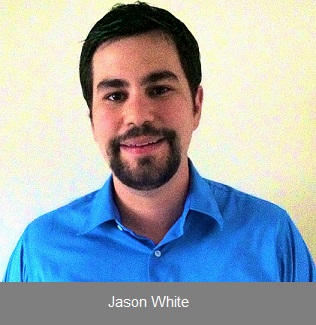
One student who can attest to the merits of this program is Jason White. Jason completed his undergraduate degree at UConn, and decided he wanted to continue his research here after enjoying his undergraduate experience. Throughout his time at UConn, Jason has worked with Dr. Ranjan Srivastava on analyzing biological systems and developing computational tools that deal with human health-related problems. These analyses have implications towards personalized medicine for each patient.

“Our goal is to use computational tools to understand how a disease progresses and to analyze whether treatments for patients are optimal,” Jason says. Genetic algorithms are one such method that Jason employs to develop mathematical models of biological systems from experimental data sets. He anticipates that these models could be used to help personalize medicinal treatments on a patient-by-patient basis. For instance, he created a mathematical model of an oral mucositis system, which can be simulated to help predict the outcome and potential treatment options for patients suffering with this disease.

In addition to his research, Jason has also been involved in a number of campus activities. His favorite was the GK-12 Program sponsored by the National Science Foundation, which allowed him to work once a week with technical high school students.

“I enjoyed the GK-12 experience – it gave me the freedom to develop lessons and projects, but also to continue my research as well,” he says. Through this program, he was able to work with students to build a compost water-heating system, which was presented at Lemelson-MIT’s Eureka Fest. Jason has also helped motivate students to get involved in engineering by tutoring undergraduates from Grasso Tech and by serving as a TA at UConn. In the future, Jason plans to pursue these interests and become a professor, so he can maintain the balance between teaching and his research.

During his time at UConn, Jason has earned a number of accolades for his work, such as a Unilever Scholarship, an Arnold Griffin Scholarship, and an NSF GK-12 Fellowship. He has also published two proceedings in the Journal of Clinical Oncology.

New Design of Nanodiscs and Nano-vesicles to Target Disease

By Jayna Miller

Lipids are the basic building blocks of biological membranes – and one of the best materials that nature provides us to entrap materials in nanoscale.

Dr. Mu-Ping Nieh, an associate professor at UConn, is leading a research group investigating the potential of lipid-based nanoparticles for drug delivery.  Under certain conditions, lipids can self-assemble into hollow, nanoscale spheres (vesicles), solid nanodiscs, or worm-like nano-ribbons. Depending on the properties of drug molecules, it is possible to insert drugs into these structures to help fight diseases, particularly cancer.

mu ping niehOne of the challenges involved in this research is how to determine whether the nanodiscs will target cancer-infected cells rather than healthy cells. Current chemotherapy techniques are often harsh, as many good cells are killed in the process of destroying cancer cells, causing patients to become weak from the treatment. The new treatment method proposed by Dr. Nieh’s research team will recognize and attack infected cells only, and thereby reduce patient discomfort.

muping3Dr. Nieh was recently awarded a National Science Foundation grant in 2012 to design such nano-carriers. “Lipid-based nanodiscs and vesicles have the potential to serve as delivery carriers for therapeutics or diagnostic agents, so the stability of the structure is an important issue,” he said.

By examining the morphology of the nanoparticles, Dr. Nieh hopes to gain a better understanding of how the structure affects the targeting efficacy of the nanoparticles, leading to the design of a stable drug delivery system. His next challenge is to generalize the strategy to manufacture uniform nanoparticles from any lipid system in large quantities.