Faculty

NIH Awards $2.7M to Kelly Burke to Advance Implantable Films for Post Surgical Pain Relief

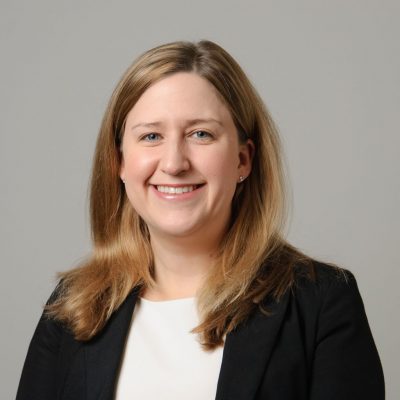
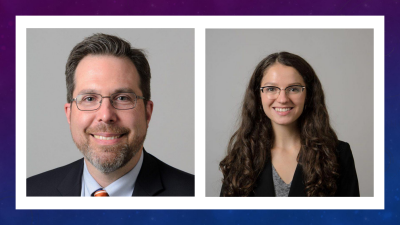
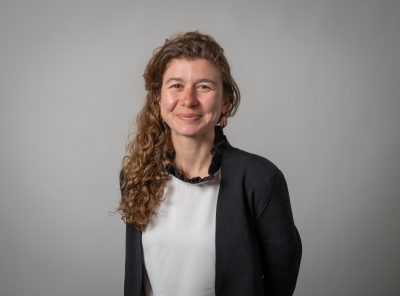
Professional headshot of a woman with shoulder-length light brown to dark blonde hair, smiling at the camera. She is wearing a black blazer over a light-colored top and small stud earrings. The background is plain and neutral, and the lighting is even and studio-style.Warmest congratulations to Professor Kelly Burke on receiving a $2.7M R18 award from the National Institutes of Health to develop implantable drug‑delivery films designed to relieve pain after surgery. The project is funded under the NIH HEAL (Helping to End Addiction Long‑term) Initiative, which backs technologies and strategies that help prevent opioid misuse—in this case by reducing the need to prescribe opioids following common surgical procedures.

The award supports a multidisciplinary team spanning engineering, pharmacy, and medicine, including Bin Feng (Biomedical Engineering), Xiuling Lu (Pharmacy), and Courtney Rowe (UConn Health/Connecticut Children’s). Together, the team will design, fabricate, and evaluate thin, biocompatible films that deliver non‑opioid therapeutics directly at the surgical site, targeting the source of pain while minimizing systemic exposure.

Opioids remain a standard option for managing acute post‑operative pain, but they also carry well‑documented risks, including misuse and dependence. By bringing pain relief to the point of need, implantable films could cut the number and strength of opioid prescriptions required after surgery—offering clinicians a practical tool to improve recovery and help protect patients and families from downstream harm.

R18 awards are intended to develop, test, and evaluate health service activities, and to foster the application of existing knowledge to improve health outcomes across defined conditions. Backed by this mechanism, the UConn‑led team will integrate materials science, drug‑delivery expertise, and clinical perspectives to optimize the films’ performance and assess their potential to translate into routine surgical care.

We are looking forward to seeing the impact of this work on safer post-operative care.

Smart Water Sensors Help Preserve Clean Water Supplies

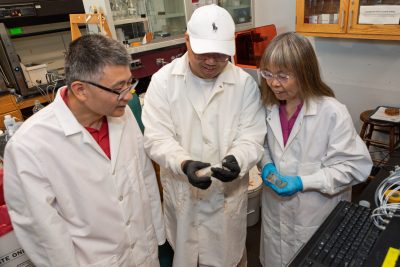
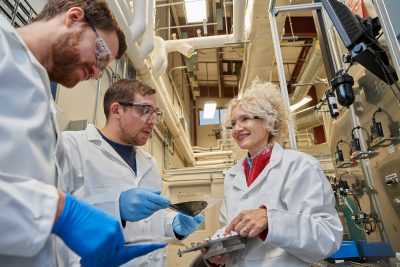
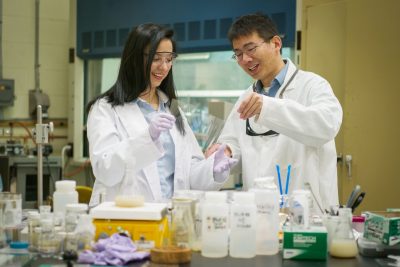
Three researchers wearing lab coats stand together in a laboratory, examining a small sensor or sample held by the researcher in the center. Laboratory equipment, bottles, and instruments are visible in the background, indicating an active research setting.Sharing exciting new research advancing smart sensor technologies to improve long-term monitoring of water and soil systems!

Prof. Baikun Li from the School of Civil and Environmental Engineering leads this effort, working with Prof. Yu Lei from our department and Dr. Xingyu Wang to develop smart sensors for nitrogen species in municipal wastewater with improved accuracy and stability. By leveraging components and technologies that eliminate the need for tedious calibration, this work targets calibration-free, long-term monitoring in wastewater systems—a significant step forward for reliable water quality management.

In parallel, the team is expanding these sensor technologies to agricultural and soil monitoring applications, including the development of hydrogel-coated soil sensors designed to improve monitoring accuracy while helping minimize fertilizer use and reduce environmental impacts in agriculture.

Read more on UConn Today.

Laurencin Named 2025 Wallace H. Coulter Lecturer at Pittcon

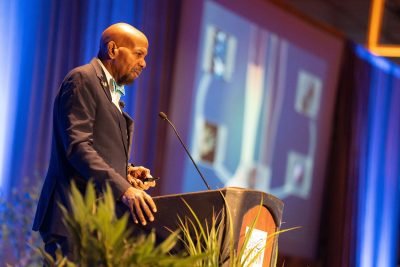
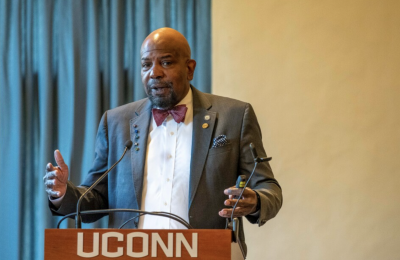
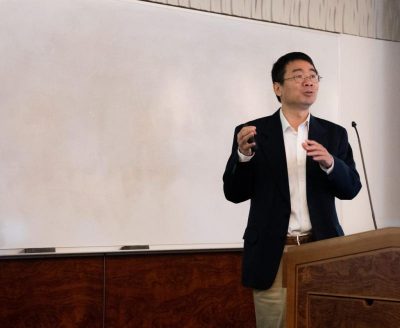
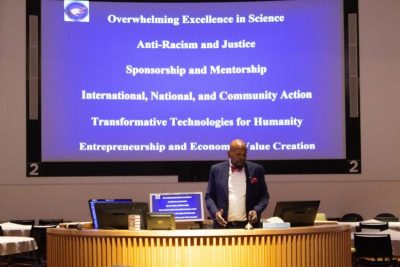
Dr Laurencin speaks at a podium with a microphone, gazing at a projected presentation displaying diagrams. The setting is professional and well-lit.Celebrating an outstanding achievement by Prof. Sir Cato Laurencin, who served as the 2025 Wallace H. Coulter Lecturer at Pittcon, one of the world’s leading conferences in laboratory science and analytical innovation.

In his Coulter Lecture, “Regenerative Engineering: The Frontier is Here,” Dr. Laurencin highlighted how convergence across materials science, biology, engineering, and clinical translation is enabling transformative advances in tissue and organ regeneration. His work exemplifies how chemical engineering principles and cross-disciplinary collaboration can drive impactful solutions at the intersection of science, medicine, and technology.

Congratulations to Dr. Laurencin on this well-deserved recognition and for continuing to advance the frontiers of regenerative engineering.

Read more on UConn Today.

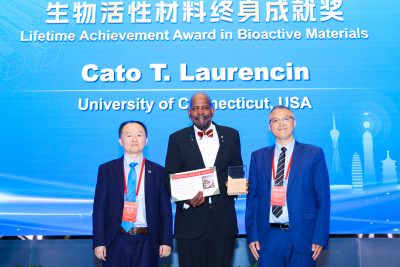
Laurencin Receives Bioactive Materials Lifetime Achievement Award

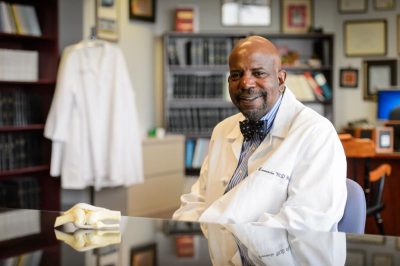
Cato LaurencinCongratulations to Sir Dr. Cato Laurencin on receiving the Bioactive Materials Lifetime Achievement Award, recognizing his pioneering contributions to biomaterials, regenerative engineering, and translational medicine.

Established in 2020, the Bioactive Materials Lifetime Achievement Award honors excellence in research and development while serving as a catalyst for advancing the field, fostering international collaboration, and inspiring innovation.

Dr. Laurencin’s visionary work has defined the field of regenerative engineering, bridging engineering, biology, and medicine to create transformative clinical solutions. At UConn, he holds joint appointments in Orthopedic Surgery, Chemical & Biomolecular Engineering, Materials Science & Engineering, and Biomedical Engineering.

Widely recognized as the founder and pioneer of regenerative engineering, Dr. Laurencin is an expert in biomaterials science, stem cell technology, and nanotechnology, and was named one of the 100 Engineers of the Modern Era by the American Institute of Chemical Engineers.

Read more about this well-deserved recognition on UConn Today.

Burkey and Crowl Awarded an NSF Grant to Study Engineering Ethics

Dan Burkey and Monika CrowlCongratulations to Dan Burkey and Monika Crowl on being awarded a $750K NSF grant through the Improving Undergraduate STEM Education (IUSE) program!

Dan Burkey, Castleman Term Professor of Engineering Innovation and Associate Dean for Undergraduate Education, will lead this multi-institutional project. He is joined by Monika Crowl, Assistant Professor-in-Residence from our department, along with Mike Young, Associate Professor Emeritus from Neag School of Education, and partners from the University of Pittsburgh and Rowan University.

The team aims to create a fun and engaging way for engineering students to learn about professional ethical decision making, preparing the next generation of engineers for the challenges of modern practice.

We are proud to celebrate Dan and Monika’s leadership and contributions to this transformative initiative!

Read more on UConn Today.

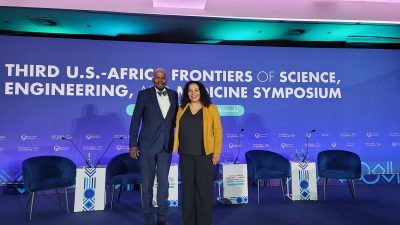
Laurencin Represents the United States at the U.S.–Africa Frontiers of Science, Engineering, and Medicine Symposium

Cato Laurencin US-Africa-SymposiumCongratulations to Prof. Cato Laurencin on representing the United States at the 3rd U.S.–Africa Frontiers of Science, Engineering, and Medicine Symposium in Kigali, Rwanda.

Sponsored by the National Academies of Sciences, Engineering, and Medicine, the symposium brought together more than 100 scientists, engineers, and medical professionals from 16 African nations and the U.S. to explore advances in biotechnology, decarbonization, space research, smart cities, and precision agriculture.

Dr. Laurencin’s ongoing collaborations with the African scientific community and his groundbreaking work in regenerative engineering continue to inspire on a global stage.

Read more on UConn Today.

Beykal Granted Eversource Energy Professorship Position

Warmest congratulations to Professor Burcu Beykal for being awarded one of only two Eversource Energy Professorships in Environmental and Sustainability Education at University of Connecticut!

This prestigious professorship recognizes outstanding scholarly achievements of early-career faculty who exemplify research excellence in their fields. The two recipients were recently selected and honored by UConn College of Engineering Dean JC Zhao and UConn Tech Park Director, Eversource Energy Endowed Chair in Environmental Engineering, Emmanouil Anagnostou.

As a process systems engineer, Prof. Beykal’s research integrates artificial intelligence, machine learning, and mathematical optimization to develop solutions for global water and critical mineral shortages. Her impressive track record includes 30 peer-reviewed publications—18 of which were published at UConn—11 invited talks, and over $2.5M in federal research funding.

Congratulations, Prof. Beykal! This recognition is well deserved!

Read more on UConn Today.

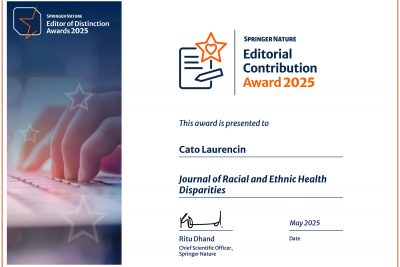
Laurencin Recognized as Springer Nature Editor of Distinction

Congratulations to Professor Sir Cato T. Laurencin, MD, PhD, KCSL, on receiving the 2025 Springer Nature Editor of Distinction Award!

This prestigious honor recognizes editors who embody scientific excellence, integrity, and leadership in advancing discovery. Prof. Sir Cato’s dedication to rigorous scholarship and impactful science continues to inspire our community.

Read more on UConn Today.


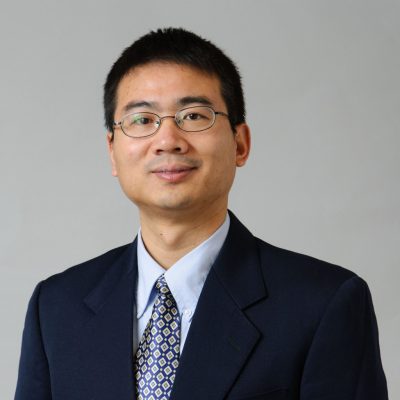
Sun Named Board of Trustees Distinguished Professor

luyi-sunWarmest congratulations to Professor Luyi Sun on being named a 2025 Board of Trustees Distinguished Professor—one of the highest honors UConn confers in recognition of sustained excellence in research, teaching, and service!

Prof. Sun leads an internationally recognized research program in nanostructured hybrid materials for functional, environmental, and energy-related applications. With over 310 peer-reviewed journal articles, his contributions to materials science have been widely impactful. He is a Fellow of the National Academy of Inventors, the Royal Society of Chemistry, and the Society of Plastics Engineers. His work has also been recognized with prestigious honors including the Morand Lambla Award from the Polymer Processing Society and election to the Connecticut Academy of Science and Engineering.

This award is a testament to Prof. Sun’s continued leadership, innovation, and dedication to advancing science and education. Read more on Prof. Sun’s achievements on UConn Today.

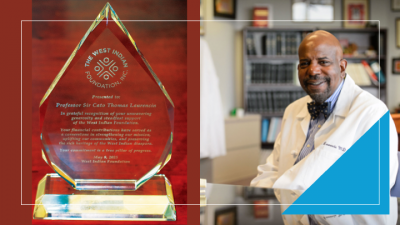
Laurencin Honored by the West Indian Foundation

Professor Sir Cato T. Laurencin, MD, PhD, KCSL, was recently honored by the West Indian Foundation at their Board of Directors Reception for his outstanding contributions to the community!

A University Professor at UConn and internationally recognized leader in regenerative engineering, Professor Sir Laurencin continues to inspire through his groundbreaking research, commitment to equity, and unwavering dedication to mentorship and public service.

We are proud to celebrate this well-deserved recognition of a truly impactful scholar and community leader.

Read more on UConn Today.

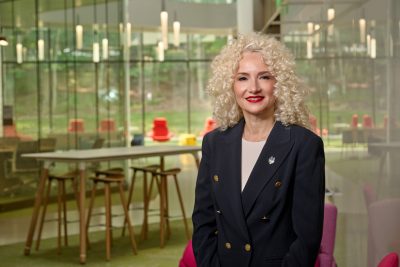
President Radenka Maric Named a Fellow of The Electrochemical Society

Congratulations to President Radenka Maric on being named a Fellow of The Electrochemical Society (ECS)—one of the highest honors in the field of electrochemistry and solid-state science!

Established in 1989, the ECS Fellowship recognizes individuals for their exceptional scientific contributions and active engagement in advancing the Society’s mission. Each year, no more than 15 distinguished members are selected worldwide for this prestigious title. President Maric is being recognized for her groundbreaking work in electrochemistry at surfaces and interfaces, and her leadership in developing nanomaterials for renewable energy and sensor technologies. She will be formally inducted at the 248th ECS Meeting in Chicago this October.

Read more on President Maric’s Journey on UConn Today.

Zhou Elected to Connecticut Academy of Science and Engineering

Congratulations to Professor Xiao-Dong Zhou on his election to the Connecticut Academy of Science and Engineering (CASE)—a well-deserved honor recognizing his exceptional contributions to sustainable energy research!

As Director of UConn’s Center for Clean Energy Engineering, Dr. Zhou’s pioneering work continues to drive innovation in clean energy technologies, tackling some of today’s most urgent environmental challenges. He joins four other distinguished faculty members from the UConn College of Engineering in this prestigious recognition. We’re proud to see his impactful leadership celebrated at the state level and look forward to the continued influence of his work.

Read more on UConn Today.

Anson Ma Promoted to Full Professor

Anson MaWe are thrilled to share that Dr. Anson Ma has been promoted to Full Professor effective this Fall! Please join us in congratulating Dr. Ma on this well-earned recognition of his impactful contributions to research, teaching, and service. This milestone reflects years of innovation, leadership, and excellence in the field.

Check out the extensive list of all faculty members who have earned promotion and/or tenure on UConn Today.


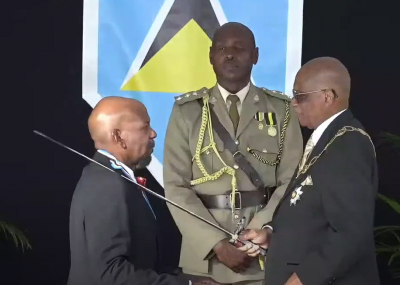
Dr. Cato T. Laurencin Appointed Knight Commander of the Order of St. Lucia

Sir Cato LaurencinWe’re thrilled to celebrate Dr. Cato T. Laurencin’s appointment as Knight Commander of the Order of St. Lucia — earning him the title Sir Cato Laurencin.

This is one of the highest honors of St. Lucia and it’s a fitting tribute to a remarkable leader whose work in regenerative engineering and medicine has transformed lives around the world. From scientific innovation to mentoring the next generation, Sir Cato continues to inspire and uplift communities across disciplines and continents.

Read more about this extraordinary achievement on  UConn Today.

Burkey Recognized as the 2025 Outstanding Higher Education Professional by the UConn Neag School of Education and its Alumni Board

Congratulations to Professor Daniel Burkey on being recognized as the 2025 Outstanding Higher Education Professional by the UConn Neag School of Education and its Alumni Board!

Prof. Burkey currently serves as the Associate Dean for Undergraduate Education at the College of Engineering. With a background in chemical engineering and educational psychology, his work focuses on research methods and innovation in engineering education. He co-developed the College’s new Ph.D. program in Engineering Education and has led the way in introducing game-based teaching approaches at the undergraduate level.

Prof. Burkey holds a B.S.E. in Chemical Engineering from Lehigh University, an M.S. and Ph.D. in Chemical Engineering from MIT, and an M.A. in Educational Psychology from UConn. His outstanding contributions have been recognized through numerous honors, including the 2024 Provost’s Award for Excellence in Community Engaged Scholarship, the 2018 University Teaching Fellowship, and multiple honors as AIChE Chemical Engineering Educator of the Year (2011–2014, 2019).

Read more on UConn Today.

Celebrating Excellence: Chemical Engineering Faculty Honored as NAI Fellows for Transformative Innovation

We are extremely proud of our faculty who have been recognized as National Academy of Inventors (NAI) Fellows over the years for their groundbreaking contributions to science, technology, and innovation. Their research spans clean energy, sustainable materials, regenerative medicine, and nanotechnology, driving real-world impact through discovery and entrepreneurship.

President Radenka Maric (NAI Fellow, 2019) – A leader in sustainable energy, her pioneering work in materials and catalysts has advanced fuel cell technologies, energy storage, and electrochemical sensors, enabling high-performance clean energy solutions.


Cato LaurencinProf. Cato Laurencin (NAI Fellow, 2013) – The first UConn faculty member to become an NAI Fellow and a trailblazer in regenerative engineering. His breakthroughs in nanotechnology, polymer chemistry, and tissue regeneration have earned him national honors, including the National Medal of Technology and Innovation.


Prof. Luyi Sun (NAI Fellow, 2021) – An expert in polymeric materials, ceramics, and composites, his research is driving innovation in packaging, energy, and catalysis, shaping next-generation materials for diverse applications.


These distinguished faculty members exemplify UConn’s commitment to cutting-edge research and transformative innovation. Congratulations to all!

Read more about all UConn College of Engineering NAI Fellows on UConn Today.

Laurencin Receives the 2025 Terasaki Innovation Award

Warmest congratulations to Professor Cato Laurencin, recipient of the 2025 Paul Terasaki Innovation Award! The Paul Terasaki Innovation Award honors individuals who have made outstanding and sustained contributions to biomedical innovation, recognizing those who not only advance research but also translate their discoveries into real-world medical solutions. Dr. Laurencin embodies this mission through his pioneering work in regenerative engineering, polymer science, and musculoskeletal repair and regeneration. His groundbreaking contributions include the invention of the Laurencin-Cooper ligament for regenerating the anterior cruciate ligament (ACL) and the development of engineered grafts for rotator cuff tendon repair and regeneration. His research has bridged fundamental science with transformative medical applications, impacting countless lives.

Dr. Laurencin’s recognition with the Paul Terasaki Innovation Award is a well-deserved honor, celebrating a legacy inspires the next generation of biomedical pioneers. He is also an elected member of the National Academy of Sciences, the National Academy of Engineering, and the National Academy of Medicine, as well as an elected fellow of the National Academy of Inventors. He is the first surgeon in history to be elected to all four of these prestigious academies.

Read more on UConn Today.

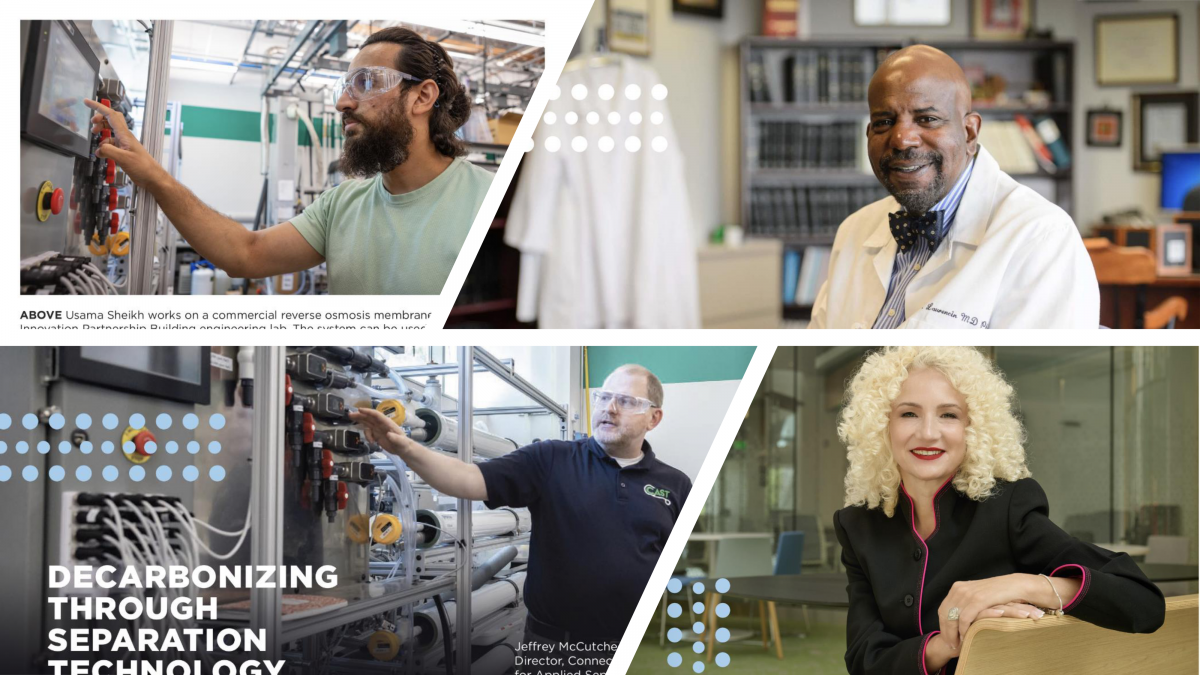
Faculty & Students Celebrated in the College of Engineering Growth & Momentum Publication

We proudly celebrate our faculty and students who have been recognized in the inaugural Growth & Momentum publication by the UConn College of Engineering. This special issue highlights the groundbreaking research and achievements of our community in materials science, renewable energy, biomedical engineering, and more, showcasing the tremendous impact of our department’s work across the College.

Many of our faculty are recognized among the top 2% of scientists worldwide. Their contributions, along with the remarkable efforts of our students, continue to drive innovation and address critical global challenges. We are especially proud to recognize the following members of our department featured in this issue:

🔹 President Radenka Maric
🔹 Professors Cato Laurencin, C. Barry Carter, Yu Lei, Jeffrey McCutcheon, Montgomery Shaw, Luyi Sun, Robert Weiss, Xiao-Dong Zhou
🔹 Graduate student Usama Sheikh (Advisor: Jeffrey McCutcheon)

Their achievements reflect the strength of our department and the excellence of our faculty and students.

Read the full issue here.

McCutcheon Receives FRI/Neil Yeoman Innovation Award from the AIChE Separations Division

We are proud to share that Professor Jeffrey McCutcheon has been awarded the AIChE FRI/Neil Yeoman Innovation Award by the AIChE Separations Division! This prestigious award recognizes Dr. McCutcheon’s pioneering research in additive manufacturing of thin film composite membranes, a significant advancement in membrane technology that has broad implications for separations science and industry. Dr. McCutcheon presented his groundbreaking work at the AIChE Annual Meeting Separations Division Plenary session last fall.

The FRI/Neil Yeoman Innovation Award honors individuals who have made outstanding contributions to separations technologies, with selection criteria including the development of transformative discoveries, creative research, or new processes/products that provide measurable commercial, environmental, or societal value.

We congratulate Dr. McCutcheon on this well-deserved recognition! His dedication and innovative research continue to shape the future of membrane separations while inspiring the next generation of engineers.

Wagstrom Keeping Air in Connecticut Classrooms Safe with $11.5M in Funding from the State

WagstromUniversity of Connecticut‘s Indoor Air Quality Initiative, where Professor Kristina Wagstrom is a co-collaborator, just secured $11.5M from the state to bring DIY “Corsi-Rosenthal” air purifiers to all Connecticut public school classrooms. Developed from $60 worth of materials, these purifiers can reduce airborne viruses by over 99% in just an hour—improving health, attendance, and even academic performance. Also, recently published collaborative research findings by UConn and Arizona State University also show that DIY air purifiers work better than commercial HEPA air cleaners for a fraction of the cost.

On October 22 the State Bond Commission in Connecticut approved funding for the UConn Indoor Air Quality Initiative to administer and implement the purchase of equipment and materials for the construction and installation of individual classroom air purifiers. The state funding awarded to UConn will be part of SAFE-CT: Supplemental Air Filtration for Education Supplemental under the Clean Air Equity Response Program.

This initiative brings together UConn Neag School of Education, UConn College of Engineering, UConn School of Nursing, UConn School of Medicine, and UConn Health to connect communities with low-cost and accessible public health solutions. We’re incredibly proud of Dr. Wagstrom and the UConn Team for their support in public health and environmental safety.

Read more on UConn Today.

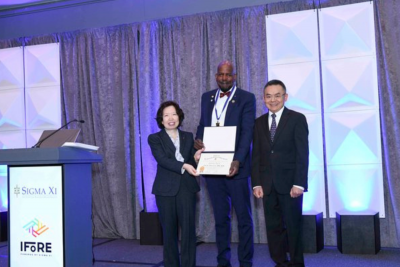
Laurencin Receives Sigma Xi’s Highest Honor Gold Key Award at International Forum on Research Excellence

Congratulations to Professor Cato T. Laurencin on receiving Sigma Xi’s highest honor, the Gold Key Award, at the International Forum on Research Excellence! 

The Gold Key Award is Sigma Xi’s highest distinction, presented to a member who has made extraordinary contributions to their profession and fostered critical innovations to enhance the health of the research enterprise, cultivate integrity in research, or promote public understanding of science—all with the goal of improving the human condition.

Dr. Laurencin’s pioneering work in regenerative engineering, biomaterials, and medicine has not only pushed scientific boundaries but also led to transformative advancements in healthcare. His leadership continues to inspire the next generation of researchers.

Read more on UConn Today.

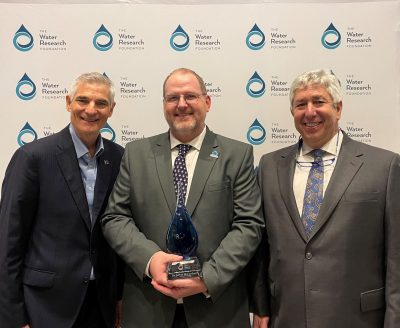
Water Research Foundation Awards Top Honor to McCutcheon

The Water Research Foundation (WRF) has honored Professor Jeff McCutcheon with its top recognition: the Paul L. Busch Award. Dr. McCutcheon and his lab have developed a groundbreaking additive manufacturing approach to produce thin-film water treatment membranes. This method, based on electrohydrodynamic spray processing, enables customization of membrane chemistry and performance—capabilities that traditional manufacturing techniques cannot achieve.

The Paul L. Busch Award celebrates individuals conducting innovative research in water quality and the water environment, focusing on those who transform discoveries into practical solutions. Dr. McCutcheon’s work represents a bold step forward in addressing complex water contamination challenges through tailored, next-generation membrane technology.

Read more on UConn Today and the Water Research Foundation Press Release.


Laurencin Presents at Dreyfus Foundation’s 2024 Teacher-Scholar Symposium

We are thrilled to celebrate Professor Cato Laurencin, who presented a lecture on regenerative engineering at the Dreyfus Foundation’s 2024 Teacher-Scholar Symposium. As a pioneer of this field, Dr. Laurencin holds the unique distinction of being the first surgeon-scientist elected to all four National Academies: Sciences, Engineering, Medicine, and Inventors.

He is an expert in biomaterials science, stem cell technology and nanotechnology and was named one of the 100 Engineers of the Modern Era by the American Institute of Chemical Engineers. He received the Founder’s Award (highest award) from the Society for Biomaterials, the Von Hippel Award (highest award) from the Materials Research Society and the James Bailey Award (highest award) from the Society for Biological Engineering. He received the NIH Director’s Pioneer Award, NIH’s highest and most prestigious research award, for his new field of Regenerative Engineering and the National Science Foundation’s Emerging Frontiers in Research and Innovation Grant Award. Dr. Laurencin is the Editor-in-Chief of Regenerative Engineering and Translational Medicine and is the Founder of the Regenerative Engineering Society. He is a Fellow of the American Chemical Society, a Fellow of the American Institute of Chemical Engineers, a Fellow of the Biomedical Engineering Society, a Fellow of the Materials Research Society and a AAAS Fellow. The American Association for the Advancement of Science awarded Dr. Laurencin the Philip Hauge Abelson Prize given ‘for signal contributions to the advancement of science in the United States’.

Read more about Dr. Laurencin’s talk on UConn Today.

Burkey Elected as American Institute of Chemical Engineers Fellow

Congratulations to Professor Dan Burkey on being elected as an American Institute of Chemical Engineers (AIChE) Fellow — AIChE’s highest grade of membership, achieved only through election by the AIChE Board of Directors. This prestigious recognition highlights Dr. Burkey’s long-term excellence in chemical engineering, impactful service to the profession, and dedication to advancing education and diversity.

Over the years, Dr. Burkey has made remarkable contributions, including:

  • Research: Innovating in game-based education for process safety and engineering ethics, with 50+ publications and numerous awards, including the 2020 AIChE Education Division Innovation Award, the 2022 William H. Corcoran Award from the Chemical Engineering Division of the American Society for Engineering Education (ASEE), and the 2023 David Himmelblau Award for Innovations in Computer-Based Chemical Engineering Education of the AIChE Computing & Systems Technology Division.
  • Education Leadership: Growing UConn College of Engineering enrollment to nearly 4,000 students, tripling female enrollment, and developing transformative programs like the Undergraduate Teaching, Mentoring, and Leadership Program and a new Ph.D. in Engineering Education. 
  • Service: Spearheading the AIChE Education Division’s Future Faculty Mentoring Program, which has supported 200+ mentees and placed alumni in faculty roles at over 50 institutions worldwide.

Dr. Burkey’s leadership and commitment to engineering education have made a lasting impact on students, colleagues, and the chemical engineering profession. We are honored to celebrate this incredible achievement and thanking Dr. Burkey for his continued efforts to inspire and elevate the next generation of engineers.

Read more on UConn Today.

Burke Appointed Head of Chemical & Biomolecular Engineering Department

Kelly Burke '05 (ENG)Congratulations to Professor Kelly Burke on their appointment as our new Head of the Chemical & Biomolecular Engineering Department!

Prof. Burke brings a wealth of experience and vision to this role, aiming to drive innovation, foster collaboration, and continue advancing our department’s legacy of excellence in research and education.

We look forward to seeing how her leadership shapes the future of our field and inspires the next generation of chemical engineers.

Read more about Prof. Burke’s journey at UConn Today.

Cho Awarded $500,000 for Groundbreaking Neurodegenerative Disease Research at Tauopathy Challenge Workshop

Young ChoWe’re thrilled to announce that Dr. Yongku Cho and his collaborator Dr. Jesse Rinehart from Yale University School of Medicine have been awarded $500,000 at the Tauopathy Challenge Workshop to investigate post-translational modifications in tau protein aggregates. These chemical changes, found in patients with Progressive Supranuclear Palsy (PSP) and Frontotemporal Dementias (FTDs), may increase tau aggregation and toxicity, both of which are critical contributors to these neurodegenerative diseases.

Funded by the Rainwater Charitable Foundation, CurePSP, Alzheimer’s Association, and the Aging Mind Foundation, the workshop took place in Chicago, bringing together leading neuroscience researchers from around the world to address critical knowledge gaps in tau pathology and neurodegenerative disease mechanisms. With no current treatments available for PSP and FTDs—both of which severely impact quality of life—collaborative research like this is essential in advancing our understanding and treatment of these conditions.

Dr. Cho and Dr. Rinehart’s research will explore whether specific chemical changes in tau proteins make them more prone to aggregation and toxicity, a hypothesis that has yet to be conclusively tested. If successful, their findings could open new avenues for treatments, offering hope to those affected by these debilitating diseases.

Read more on the Rainwater Charitable Foundation.

Valla Accepts Two New Positions with UConn and the USDA

Ioulia A. VallaCongratulations to Professor Julia Valla on accepting two new positions!

Prof. Valla has joined USDA-NIFA as a Special Advisor Panel Manager and UConn College of Engineering as the Director of Graduate Studies Programs. In her new roles, she will facilitate the review panels for Partnership, SEED, and Standard proposals and enhance graduate student recruitment and engagement. We look forward to seeing the positive impact she will bring to these roles.

Read more on UConn Center for Clean Energy Engineering News.

Bollas Appointed as the New Associate Dean of Research for the College of Engineering

Warmest congratulations to Professor George Bollas on his appointment as the next Associate Dean of Research for the College of Engineering. Dr. Bollas currently serves as the Pratt & Whitney Endowed Chair Professor in Advanced Systems Engineering and the Director of the Pratt & Whitney Institute for Advanced Systems Engineering at UConn.

Dr. Bollas earned his BS and PhD in Chemical Engineering from Aristotle University of Thessaloniki, followed by a postdoctoral fellowship at MIT. His research spans energy technology, process systems engineering, and model-based systems engineering, focusing on optimizing cyber-physical systems crucial for the energy, chemical, and aerospace industries.

Under his leadership, the Pratt & Whitney Institute secured over $60M in research funding and doubled industry partner participation, enhancing educational programs that blend academic rigor with practical applications. His accolades include the NSF CAREER Award and the ACS PRF Doctoral New Investigator Award, and he was elected to the Connecticut Academy of Science and Engineering in 2020.

We are confident that Dr. Bollas’s forward-thinking approach and established leadership will significantly boost our research capabilities and academic achievements.

Shor Appointed as the New Dean of the Graduate School and Vice Provost for Graduate Education

Warmest congratulations to Professor Leslie Shor on her appointment as the next Dean of the Graduate School and Vice Provost for Graduate Education at the University of Connecticut.

Dr. Shor, a Centennial Term Professor of Chemical and Biomolecular Engineering, has been a valued member of the UConn community for nearly 15 years. She will be joining the Provost’s Office from the College of Engineering, where she has served for five years as Associate Dean for Research and Graduate Education. In this role, Dr. Shor has significantly increased PhD applications and external research funding while expanding professional development opportunities and support for graduate students and faculty.

Dr. Shor earned her Ph.D. and M.S. degrees in Chemical and Biochemical Engineering from Rutgers University and a B.A. in Environmental Science and Chemistry from the University of Virginia. Her leadership has been pivotal in creating initiatives that bridge various disciplines, fostering a collaborative environment that enhances both educational quality and research innovation.

We look forward to the continued growth and success of our graduate programs under Dr. Shor’s leadership.

Read the Official Announcement from the Office of the Provost.

Laurencin Inducted at the Plastics Hall of Fame Ceremony

Warmest congratulations to Professor Cato Laurencin on his remarkable achievement of being inducted into the prestigious Plastics Hall of Fame. This honor recognizes his pioneering contributions to the field of regenerative engineering, where he has revolutionized the use of polymeric materials in developing cutting-edge medical devices, biologics, and pharmaceuticals. Prof. Laurencin’s groundbreaking work has transcended traditional boundaries, improving the lives of countless individuals worldwide.

Prof. Laurencin’s remarkable achievements have garnered significant acclaim, including the prestigious National Institute of Health Director’s Pioneer Research Grant Award and the National Science Foundation’s Emerging Frontiers in Research and Innovation Award. His innovative use of polymeric materials for tissue regeneration, drug delivery systems, and other medical applications has established him as a leader in the field. Prof. Laurencin is also the first engineer-scientist-surgeon to be elected to the National Academy of Sciences, the National Academy of Engineering, the National Academy of Medicine, and the National Academy of Inventors.

Read more on UConn Today.

McCutcheon Awarded the Inaugural North American Membrane Society Permeance Prize

Warmest congratulations to Professor Jeffrey McCutcheon for being selected as the recipient of the inaugural North American Membrane Society (NAMS) Permeance Prize! This prestigious award recognizes mid-career faculty for their exceptional contributions to the field of membrane science and technology. 

Read more on Professor McCutcheon’s journey on UConn Today.

UConn Brewing Innovation Teams Up with Two Roads Brewing for Exclusive Brew Release

Jennifer Pascal

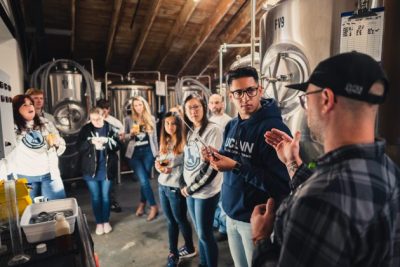
Following the resounding success of the first can release with Kinsmen Brewing Co, our two senior design teams, guided by the expertise of Professor Jenn Pascal, are gearing up for another unforgettable collaboration. This time, they are joining forces with Two Roads Brewing, one of Connecticut’s most esteemed breweries, for an exclusive launch event that promises to be nothing short of extraordinary. This is a moment to celebrate the spirit of innovation and community, where the art of brewing meets the science of chemical engineering.

📆 Mark your calendar: Wednesday, April 17, 2024
🕒 Time: 6:00 pm – 8:00 pm
📍 Location: Two Roads Brewing Company, 1700 Stratford Ave, Stratford, CT 06615

Join us at the 1881 Series: UConn Brewing Innovation and Can Release at Two Roads Brewing (Registration link on UConn Foundation Website).

American Chemical Society Holds Symposium in Honor of Professor Laurencin

Dr. Cato LaurencinThe American Chemical Society held the Kathryn C. Hach Award for Entrepreneurial Success Symposium on March 19th in honor of Dr. Cato T. Laurencin for his transformative work in regenerative engineering. The Hach Award acknowledges remarkable entrepreneurs who innovate and introduce novel products, services, companies, or industries using chemistry’s transformative potential to enhance lives and bolster economic growth.

Recognized as one of the top engineers also by AIChE, Dr. Laurencin’s contributions to bone regeneration and bioceramic implants have earned him prestigious awards, including the William Grimes Award and the Priestly Medal.

Read more on UConn Today

Willis is Harvesting Parts of Sunshine to Expand the Use of Sunlight

Using nanoscale antennas, Professor Brian Willis is harvesting parts of sunshine not currently being used, expanding the use of sunlight for energy and making clean – and climate friendly – energy more affordable.

At the heart of Prof. Willis’ research lies the utilization of nanoscale antennas, tiny structures capable of capturing and manipulating light at the smallest scales imaginable. These antennas act as miniature powerhouses, harvesting parts of sunlight that have traditionally gone unused. This unprecedented approach not only expands the efficiency of solar energy collection but also significantly enhances the affordability of clean energy solutions.

Check out this cool video highlighting his research and read more on UConn Today.

Bollas Selected for the Prestigious Fulbright Scholar Award

Warmest congratulations to Prof. George Bollas who has been selected for the Fulbright U.S. Scholar Award for 2024-2025. The Fulbright Program is devoted to increasing mutual understanding between the people of the United States and the people of other countries. The Fulbright Association is the world’s largest and most diverse international educational exchange program. The presidentially appointed 12-member Board of the Fulbright U.S. Scholar program is responsible for supervising the Fulbright Program worldwide and approving the selection of all Fulbright recipients.

In this Program, Prof. Bollas will investigate the end-to-end feasibility of ammonia as a fuel for the difficult-to-decarbonize transportation sectors, from the production energy and carbon footprint to its conversion and utilization. A key focus of his work will be to promote a novel method, invented recently with his Ph.D. student Laron Burrows, that leverages chemical loops of metal nitrides, hydrides, and imides for ammonia synthesis at atmospheric pressure in separate steps. A second focus area of Prof. Bollas’ work will be on ammonia cracking and power generation in fuel cells.

This scholarship will support a research partnership with the Chemical Process and Energy Resources Institute (CPERI) of the Centre for Research and Technology Hellas (CERTH).

Research Team Develops Hybrid Propulsion Commercial Electric Aircraft

Xiao-Dong ZhouThe groundbreaking research led by Professor Xiao-Dong Zhou has the potential to transform aviation, making it more sustainable and contributing to net-zero emissions. Funded by the prestigious ARPA-E program, his interdisciplinary research team is looking to develop a carbon-neutral energy storage and power generation system as an alternative for aircraft propulsion using High-Performance Metal-Supported Solid Oxide Fuel Cells (SOFCs).

Dive into the details and learn more about this transformative project on UConn Today

Laurencin Delivers Keynote Speech at University of Virginia Diversity Conference

Cato LaurencinProfessor Cato Laurencin recently delivered the keynote speech at the 2023 How When & Why of DEI Conference organized by the University of Virginia School of Medicine and School of Nursing. Dr. Laurencin’s keynote address challenged the audience to consider adopting his concept called the IDEAL Path (Inclusion, Diversity, Equity, Anti-Racism, and Learning), a concept he first presented when he was awarded the Herbert W. Nickens Award by the Association of American Medical Colleges.

Read more on UConn Today.

Laurencin Named the Inventor of the Year by the Intellectual Property Owners Education Foundation

Dr. Cato LaurencinIn a groundbreaking achievement, Dr. Cato Laurencin has been named the Inventor of the Year by the Intellectual Property Owners Education Foundation, an accolade that recognizes the world’s most outstanding recent inventors and their profound impact on the nation’s economy and quality of life. Dr. Laurencin’s pioneering work in the field of Regenerative Engineering has resulted in revolutionary technology that promotes bone and tissue regeneration, ultimately enhancing the quality of life for patients. This prestigious recognition underscores the transformative impact of his contributions in the realm of healthcare and regenerative medicine. His innovative work continues to be a beacon of hope for patients worldwide, marking a significant milestone in the field and solidifying his position as a trailblazer in healthcare innovation.

Watch the Youtube Video on Dr. Laurencin’s Award.

Four Faculty Members are Highlighted in the 2023 UConn Research Annual Report

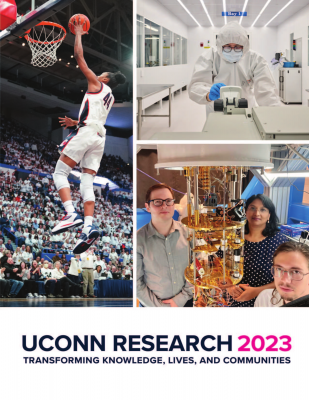
In the latest 2023 UConn Research Annual Report, the exceptional contributions of four distinguished faculty members take center stage. President Radenka Maric, along with esteemed professors Kelly Burke, Xiao-Dong Zhou, and Cato Laurencin, have been featured for their groundbreaking work spanning the realms of sustainability, energy, health, medicine, and community development. The report underscores the significant impact of their research, showcasing their commitment to advancing knowledge and addressing critical issues that resonate across diverse fields.

Read more on UConn Research Annual Report

Microalgae for Poultry Nutrition: UConn Researchers Receive NSF Future Manufacturing Grant

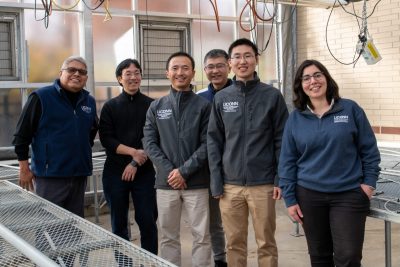
The interdisciplinary research team will develop a novel biomanufacturing technology to use microalgae to produce an essential amino acid for poultry feed. From left to right: Rigoberto Lopez, Yongku Cho, Yangchao Luo, Yu Lei, Mingyu Qiao, and Burcu Beykal. (Nick Snow, CAHNR photo)

Congratulations to Professors Burcu BeykalYongku Cho, and Yu Lei on winning the $500,000 grant from the National Science Foundation (NSF)’s Future Manufacturing initiative!

This interdisciplinary team with Professors Mingyu Qiao (PI), Yangchao Luo, and Rigoberto Lopez from UConn College of Agriculture, Health and Natural Resources, and Professor C. Patrick Heidkamp from Southern Connecticut State University will tackle carbon-neutral amino acid synthesis with microalgae.

They will also develop an Artificial Intelligence (AI) model to determine, essentially, when the algae should act like a plant and when it should act like a microorganism based on the availability of sunlight or other essential nutrients to minimize costs. The AI model will automatically calculate how much of a given resource, like sugar, is needed to optimize amino acid production.

The grant will also include workshops for underrepresented high school and community college students to help prepare them to enter the biomanufacturing workforce in collaboration with Southern Connecticut State University.

Read more on UConn Today.

After Semester-Long Development, Student-Created ‘BrewConn’ Beer Debuts with Glowing Reviews

Our two senior design teams advised by Professor Jenn Pascal brewed with Kinsmen Brewing Co. for an exclusive launch event for UConn Brewing Innovation. It was a brew-tastic event last Tuesday with 300+ alumni, faculty, and students attending.

For the past three years, Professor Pascal has been offering a brewing course to allow senior chemical engineering students to apply their knowledge. They gained hands-on experience in brewing beer using homebrew scale equipment and kits. This year, the capstone course expanded, by offering trips to Smokedown Hops Farm in Sharon, Thrall Family Malt in Windsor, and two visits to the Kinsmen Brewing to learn about processing and canning. This has been a great experience both for those planning careers in craft brewing and for those seeking other endeavors, because of the real-world skills they’ve learned. As Professor Pascal has also highlighted: “Many chemical engineers work in the food and beverage industry. Chemical engineers are ‘process’ engineers and brewing beer involves optimizing processes and ways to improve them, all relevant skills in an assortment of industries.’’

Learn more about how Professor Pascal’s course and capstone project are transforming chemical and biomolecular engineering studies with hands-on brewing experience for our seniors on UConn Today.

EPA Testing Shows the Power of DIY Air Filters to Trap Viruses

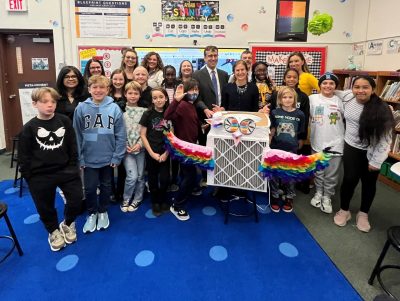
After the EPA released its exciting testing results about the power of D-I-Y air filters, Lt. Governor Susan Bysiewicz took a celebratory photo with 5th graders at Macdonough Elementary School in Middletown, Conn. along with State Sen. Matt Lesser, and researchers from the EPA and UConn’s Indoor Air Quality Initiative.

The UConn Indoor Air Quality Initiative Team which our very own Professor Kristina Wagstrom is a co-investigator in, has just unveiled groundbreaking results from their collaboration with the US Environmental Protection Agency!

Their findings reveal that DIY air filters (known as ‘Corsi-Rosenthal Boxes’) can remove over 99% of viruses within just one hour. This breakthrough has enormous implications for improving indoor air quality and public health. This research not only advances the field of environmental science but also presents an incredible opportunity to engage students of all ages in meaningful projects that have a tangible impact on their communities.

Professor Wagstrom has also highlighted that “It’s not only a cool, fun thing to build, but it’s something they can actually connect to their everyday lives and helps them connect to how STEM and science and engineering can really help people.”

Read more on UConn Today.

Read more on News 8 Daily News (WTNH).

Shor Nominated for the Research Innovation and Leadership Award

Connecticut Technology Council Women In Innovation Awards
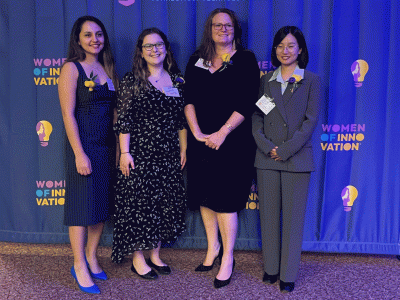
UConn Engineering Leila Daneshmandi, Audrey Larson, Leslie Shor, and Fei Dou at the Connecticut Technology Council Women In Innovation Awards on Oct. 25.

Warmest congratulations to Professor Leslie Shor on her nomination for the Research Innovation and Leadership award in the 8th Annual Women of Innovation Awards led by the Connecticut Technology Council!

Several University of Connecticut women leading STEM, innovation and entrepreneurship initiatives were recognized in a state-wide event last week.

The UConn College of Engineering garnered several awards in the 18th Annual Women of Innovation Awards led by the Connecticut Technology Council held at Southern Connecticut State University in New Haven on Oct. 25.

Read more on UConn Today.

1881 Series featuring UConn Brewing Innovation & Student Brewed Can Release

Jennifer Pascal on Sept. 15, 2016.

Our two senior design teams advised by Professor Jenn Pascal are brewing with Kinsmen Brewing Co. for an exclusive launch event for UConn Brewing Innovation. This initiative marks a unique collaboration between UConn students and some of Connecticut’s finest breweries! This is a moment to celebrate the spirit of innovation and community, where the art of brewing meets the science of chemical engineering.

📆 Mark your calendar: Tuesday, November 28, 2023
🕒 Time: 6:00 pm – 8:00 pm
📍 Location: Kinsmen Brewing Co., 409 Canal St.Milldale, CT 06467

Join us at the 1881 Series featuring UConn Brewing Innovation & Student Brewed Can Release (Registration link on UConn Foundation Website).

Burkey wins $2.5M NSF S-STEM Grant to Support Students Majoring in Computing, Data Sciences

Dan Burkey PhotoA newly awarded $2.5M National Science Foundation (NSF) Scholarships in Science, Technology, Engineering, and Mathematics (S-STEM) grant—spearheaded by Professor and Associate Dean Daniel Burkey—will support low-income and first-generation students majoring in computing and data science at the University of Connecticut (UConn).

Professor Burkey said UConn will use the grant—titled “Community, Identity, and Competence: Supporting Low-Income Students in Computing and the Data Sciences”—to assist approximately 30 students over the next six years of the grant. Students, who will go through an application and selection process, will be eligible for up to $15,000 per year throughout the entirety of their degree.

S-STEM is a signature program from the NSF that supports low-income and first-generation students with academic ability, talent, or potential to pursue successful careers in promising STEM fields. The grant includes scholarship funds as well as a cohort model that provides various programmatic, curricular, and co-curricular activities to ensure that students are well-supported, from matriculation through graduation, and prepared for the workforce or further graduate study. Read more on Engineering News.

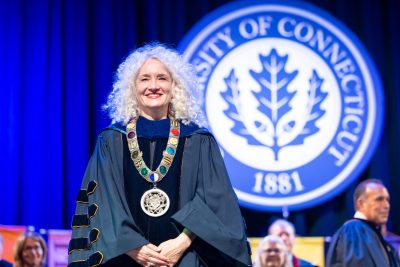
UConn Celebrates the Inauguration of Radenka Maric as 17th President

President Radenka Maric
UConn President Radenka Maric poses for a photo during her inauguration in the Jorgensen Center for the Performing Arts on Sept. 29, 2023. (Sydney Herdle/UConn Photo)

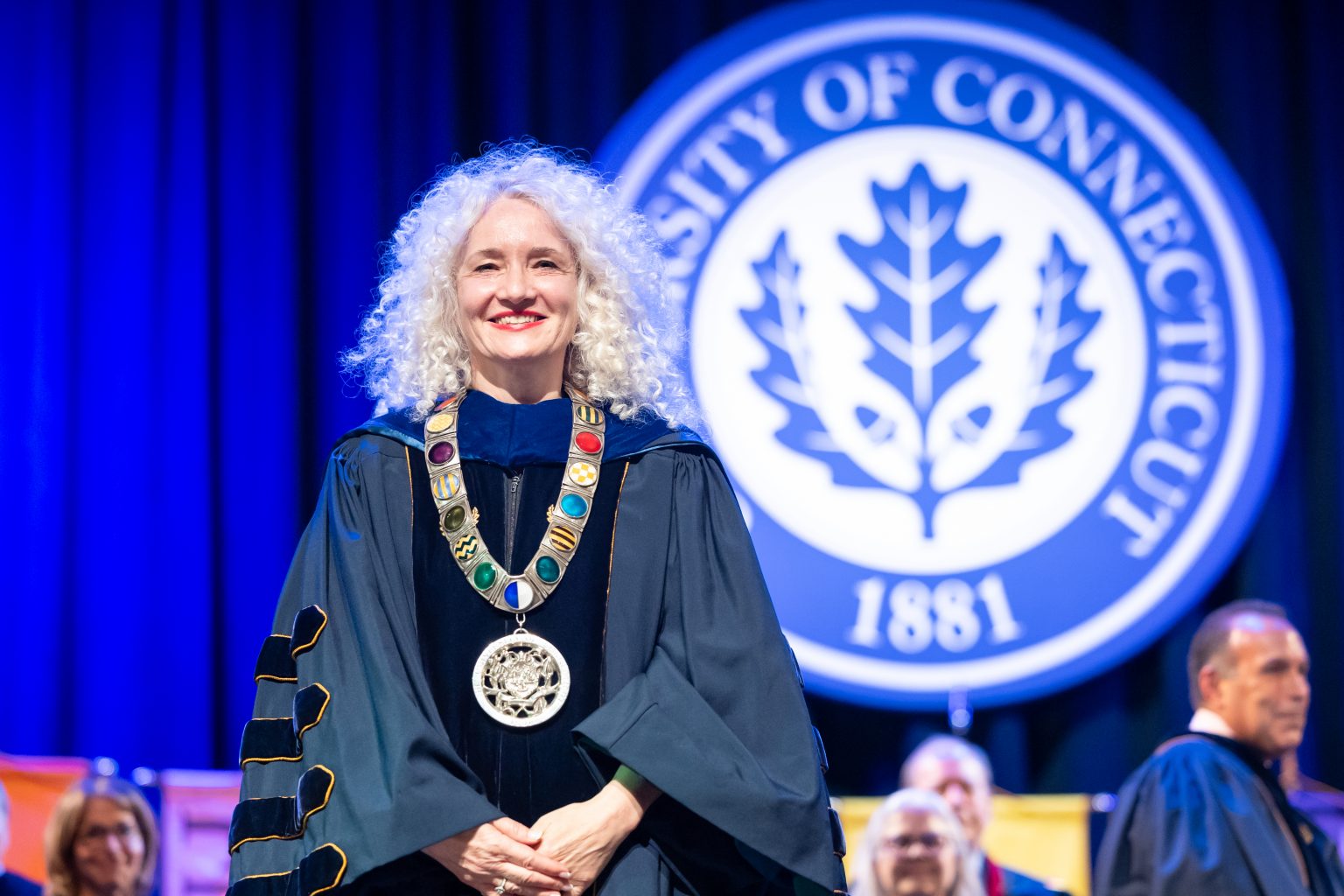
Warmest congratulations to President Radenka Maric, an acclaimed innovator in clean energy technology whose leadership as a vice president helped propel UConn to new heights in research funding, formally inaugurated as the 17th president of the University of Connecticut in a ceremony Friday afternoon at the Jorgensen Center for the Performing Arts.

President Maric joined UConn’s College of Engineering faculty in 2010 and holds the rank of Board of Trustees Distinguished Professor. She is also the Connecticut Clean Energy Fund Professor of Sustainable Energy in the Department of Chemical & Biomolecular Engineering and Department of Materials Science and Engineering.

Read more about President’s inauguration on UConn Today.

Guarantees of Optimality: A New Model to Help the Manufacturing Industry Transition to Renewables

Matthew Stuber

Pratt & Whitney Associate Professor in Advanced Systems Engineering Matthew Stuber worked with two undergraduate students and co-lead authors Justin Rastinejad ’22 (ENG) and Sloane Putnam ’22 (ENG) answer this question in their recent paper published in Renewable Energy.

Stuber explains that this research answers a question he has been thinking about for several years now, “How do we start incorporating renewable energy into conventional industrial processes? Is it always worth it? The alternative is to buy energy in the form of fossil fuels, invest in renewables, or generate energy onsite through renewable means.”

Read more about this on UConn Today.

Dr. Stuber Appointed as the Pratt & Whitney Associate Professor in Advanced Systems Engineering

Matthew StuberWarmest congratulations to Dr. Matthew Stuber on his appointment as the Pratt & Whitney Associate Professor in Advanced Systems Engineering! 

Dr. Stuber’s dedication to excellence and tireless commitment to pushing the boundaries of knowledge have earned him this well-deserved recognition. His contributions to the field of advanced systems engineering have been nothing short of exceptional, and we are proud to have him as a part of our academic community. We eagerly anticipate the continued impact and contributions Dr. Stuber will make in this new role.

Dr. Laurencin Receives the Kathryn C. Hach Award from ACS

Cato LaurencinWarmest congratulations to Dr. Cato T. Laurencin, the recipient of the 2024 Kathryn C. Hach Award for Entrepreneurial Success as part of the 2024 ACS National Awards! This award recognizes Dr. Laurencin’s outstanding contributions to the world of entrepreneurship, innovation, and scientific leadership. His pioneering work in the field of regenerative engineering and tissue engineering has not only transformed the medical landscape but has also laid the foundation for groundbreaking entrepreneurial endeavors. Read more about Dr. Laurencin and other outstanding recipients of the 2024 ACS National Awards in the Chemical & Engineering News

Ozkan to Lead Engineering Education and Experimental Learning Initiative at UConn

Desen Ozkan recognizes that engineering is traditionally thought of as using math and science to solve problems in the world.

But what is missing from this definition—and the engineering curriculum—she says, are the contexts in which engineers interact in a world of political, social, and economic consequences.

“When engineering is portrayed as a field that encompasses various contexts and is influenced by social and technological factors, it can have a positive impact on the individuals who choose to pursue a career in engineering,” she said. “If engineers fail to consider the social and political aspects surrounding their work, they may unintentionally contribute to existing problems and inequalities.”

Ozkan, a new tenure-track assistant professor of chemical and biomolecular engineering (CBE), will join the University of Connecticut’s School of Engineering next fall. In addition to her own CBE scholarship and instruction, in the future, Ozkan will develop a preliminary curriculum for new initiatives in engineering education and experiential learning.

Read More @ Engineering News

desen ozkan

Dr. Laurencin Honored by Connecticut NAACP

l-cato-photo-2023-05

Professor Cato Laurencin

Dr. Cato Laurencin, chief executive officer of the Connecticut Institute for Clinical and Translational Science (CICATS), photographed in his office at UConn Health Center Friday, February 10, 2017 in Farmington, Conn. (G.J. McCarthy/UConn Foundation)

The Chemical & Biomolecular Engineering Department would like to congratulate Dr. Cato Laurencin on being named one of the "100 Most Influential Blacks in the State of Connecticut." Click here to read more.

Dr. Laurencin Elected as Royal Academy Fellow

l-cato-photo-2023-05

Professor Cato Laurencin

Dr. Cato Laurencin, chief executive officer of the Connecticut Institute for Clinical and Translational Science (CICATS), photographed in his office at UConn Health Center Friday, February 10, 2017 in Farmington, Conn. (G.J. McCarthy/UConn Foundation)

The Chemical & Biomolecular Engineering Department would like to congratulate Dr. Cato Laurencin on being the only U.S. Professor to be elected an International Fellow of the Royal Academy of Engineering. Read more about this distinction and Dr. Laurencin's research and achievements.

Dr. Laurencin Receiving the 2021 Hoover Medal

l-cato-photo-2023-05

Professor Cato Laurencin

Dr. Cato Laurencin, chief executive officer of the Connecticut Institute for Clinical and Translational Science (CICATS), photographed in his office at UConn Health Center Friday, February 10, 2017 in Farmington, Conn. (G.J. McCarthy/UConn Foundation)

The Chemical & Biomolecular Engineering Department would like to congratulate Dr. Cato Laurencin on being chosen to receive the 2021 Hoover Medal! For more information on this prestigious award and Dr. Laurencin's achievements leading up to his selection, please click here.

Dr. Cato Laurencin Receives Spingarn Medal

Laurencin_desk141006a105-e1450797818254The CBE Department would like to congratulate Dr. Cato Laurencin on being named the 2021 recipient of the Spingarn Medal through the National Association for the Advancement of Colored People (NAACP)! For more information on this award and Dr. Laurencin’s achievements leading up to it, please click here.

Dr. Radenka Maric Named a Board of Trustees Distinguished Professor

Dr. Radenka Maric

UConn President Radenka Maric poses for a photo during her inauguration in the Jorgensen Center for the Performing Arts on Sept. 29, 2023. (Sydney Herdle/UConn Photo)

The CBE Department would like to congratulate Dr. Radenka Maric on being named a Board of Trustees Distinguished Professor! For more on this prestigious title, please click here.

Professor Jeffrey McCutcheon Named Quarter Finalist in American-Made Challenges: Solar Desalination Prize

Jeff McCutcheon

Photo of Professor McCutcheon
The Department of Chemical & Biomolecular Engineering would like to congratulate Professor Jeffrey McCutcheon on being a quarter finalist in the American-Made Challenges: Solar Desalination Prize. More information regarding his research on solar desalination can be found on the UConn Today website. View article.

Professor Cato Laurencin Named 2020 Recipient of MD Anderson Cancer Center Mike Hogg Award

Jeff McCutcheon

Professor Cato Laurencin
The Chemical & Biomolecular Engineering Department would like to congratulate Professor Cato Laurencin on being named the 2020 Recipient of the MD Anderson Cancer Center Mike Hogg award. More information on Dr. Laurencin's work and this award can be found here.

Retirement of Prof. Doug Cooper

LEAD Technologies Inc. V1.01

Prof. Doug Cooper

LEAD Technologies Inc. V1.01

Dear Friends,

On June 1st, Prof. Doug Cooper retired from the faculty of Chemical & Biomolecular Engineering.  I couldn't let this occasion go unremarked upon.   I’ve been fortunate to have known Doug for about 18 years now.  Indeed, he was the Chair of the Search Committee that hired me.  Many of you may not be aware of the numerous contributions that Doug has made to the Department, the School, and  the University as a whole.

Doug joined UConn in 1985 as a freshly minted PhD from the University of Colorado and has been here ever since.  Doug’s technical expertise is in the area of process control.  Unlike many of his academic peers, Doug had a strong focus on industry and practical applications from the beginning.  He did extensive consulting for the automotive industry in his early years and a tremendous fraction of his research funding was from industry.  Doug’s interests led him down an entrepreneurial path, and he founded Control Station, Inc.  Beginning as a small startup in the early 2000’s, the company weathered the recession of 2008, and today their software is used by over a third of all the Industrial Fortune 500 Companies.

Even with is his entrepreneurial leanings, Doug was a professor through and through.  He translated his practical knowledge to the classroom.  Doug started doing on-line teaching in the early 2000’s, long before MOOC’s were popular and before the technology and infrastructure were available.  Doug instead built his own infrastructure.  He started a blog which included various modules and is now an extensive resource on process control.  He wrote a textbook, which he has made freely available on-line.  He worked with the UConn Co-Gen plant to make it a living lab for the undergrads and to help use it as a pilot-scale test bed for his research ideas on optimization and process control.  He also helped teach our students about the “softer” skills, running an annual workshop for the UConn Chapter of AIChE.  He would critique resumés and work through mock interviews with students.  He would teach what was appropriate to ask, what not to ask, and how to speak, dress, etc.  Outside of the workshop, if any student wanted their resumé reviewed, Doug would do it.

In addition to the research and teaching, Doug’s desire to elevate UConn led him to a number of administrative roles.  He served as Department Head twice.  The first time was from 2004 to 2006 and the second time was from 2013 to 2016.  In addition, as a testimony to his passion for education, Doug served as Vice Provost for Undergraduate Education & Regional Campuses from 2009 to 2011.  Finally, I would point out that Doug was also Director of Engineering Computing Services, a service I don’t believe many in the Department are aware of.

Doug’s strong efforts have been recognized via numerous accolades.  He has been the recipient of the Faculty of the Year Award as selected by the graduating class multiple times.  He was also selected as a University of Connecticut Teaching Fellow in 2003 and was a recipient of the extremely prestigious and competitive US Professor of the Year Award as recognized by the Carnegie Foundation in 2004.  Doug is a Fellow of the American Institute of Chemical Engineers and a member of the Connecticut Academy of Science and Engineering.

Personally, I’ve found it to be a privilege and an honor to know Doug.  He helped smooth my transition here to UConn as a new faculty member when I was still learning the ropes.  Throughout the entire time I’ve known Doug, one thing has become abundantly clear to me.  Doug loves this Department.  Everything he has done has always been in pursuit of making the Department a better place for students, staff, and faculty.  Whenever I’ve spoken to Doug, his focus has always been on how we can remove impediments faced by faculty to make them as successful as possible; what are practical effective methods to teach students and what are the topics that they will really use after graduation; and what can we do to ease the ever increasing burden on our staff.

We have all been very fortunate to know Doug, and the Department is a better place for him being here.  Thanks Doug for all the has done for us.

Ranjan Srivastava
Prof. & Dept. Head

Dr. Barry Carter Appointed as Honorary Fellow

Photo of Professor Barry Carter

The Chemical & Biomolecular Engineering Department would like to congratulate Professor Barry Carter on his selection as an Honorary Fellow of the Royal Microscopy Society.  Professor Carter is being recognized for “…outstanding internationally-recognized contributions to microscopy in both science and education over several decades.”  Selection as a Fellow is considered the most prestigious honor bestowed by the Society.  More details regarding his appointment can be found here.

UCONN biodiesel technology is now commercial

richard parnas

UCONN Biodiesel technology led by Prof. Richard Parnas was installed at the wastewater treatment plant of the city of Danbury in CT. “We will be converting their waste stream, brown grease, to biodiesel fuel for use in their municipal vehicles, school buses, and heating systems” said Prof Parnas. A proposal was submitted to the city of New Haven to install the same technology to their water treatment facility. New Haven and Danbury are very excited to include UCONN as a partner in these projects.

UConn Partners in $100M DOE Innovation Hub on Water Technologies – Jeff McCutcheon leads UConn’s participation in NAWI

jeff mccutcheonAround the world, fresh water scarcity poses a major economic, environmental, and humanitarian challenges. The U.S. Department of Energy (DOE) and other federal agencies have forged important collaborations with universities, the private sector, the National Labs, and other organization to find innovative and practical solutions to address this threat.

U.S. Secretary of Energy Rick Perry announced Monday that the National Alliance for Water Innovation (NAWI), a research consortium including the University of Connecticut, has been awarded a five-year, $100-million Energy-Water Desalination Hub (pending appropriations) to address water security issues in the United States. The hub will focus on early-stage research and development for energy-efficient and cost-competitive desalination technologies and for treating nontraditional water sources for various end uses.

Jeffrey McCutcheon, Al Geib Professor of Environmental Engineering Research and Education in UConn’s School of Engineering, is leading UConn’s participation in NAWI. McCutcheon is an internationally recognized expert in membrane technologies for sustainable water and energy production. He serves as a deputy thrust area lead for the hub’s R&D activities involving materials and manufacturing, and is also the UConn site representative to NAWI.

“UConn is excited to join a team consisting of top researchers in the field of water treatment and desalination,” says McCutcheon, who is also executive director of the Fraunhofer USA Center for Energy Innovation at UConn Tech Park. “While Connecticut does not suffer from severe water shortages, we do have water quality challenges that could see solutions emerge from this effort.”

McCutcheon anticipates that NAWI will tap into UConn’s expertise in areas like membrane technology, waste water treatment, computational development, and systems design, to create a stable and resilient water supply for agriculture, industry, and communities. NAWI hopes to achieve these goals through a “circular water economy,” by which water is treated for a specific purpose and reused at the local level rather than being transported long distances.

As a DOE Energy Innovation Hub, NAWI will not only conduct research but also develop a roadmap to prioritize the highest impact technology options, then identify and solicit projects to support those priorities.

NAWI’s goal is to advance a portfolio of novel technologies that will secure a circular water economy in which 90% of nontraditional water sources – such as seawater, brackish water, and produced waters – can be cost-competitive with existing water sources within 10 years.

According to McCutcheon, many of UConn’s research strengths align well with NAWI’s goals.

“Not only is UConn home to one of the highest quality material characterization facilities in the country, many UConn faculty members also already contribute to important water safety initiatives like Governor Lamont’s task force on hazardous chemicals in the Farmington River,” says McCutcheon. “I’m confident that UConn’s preeminent researchers and high-tech infrastructure will allow us to play a significant role in the NAWI innovation hub.”

Meet the Researcher: George Bollas, UConn Tech Park

g-bollas-IMG_2189Consider the complexity of a modern passenger airliner. An aircraft is a self-contained “system-of-systems,” consisting of a diverse assortment of interdependent subsystems and components working together. Electrical, hydraulic, flight control, fuel handling, cabin pressurization, and engine systems are all crucial parts of a functional aircraft, each with their own constraints and requirements in addition to those of the aircraft as a whole.

The complexity of engineering interconnected systems like aircrafts — or, for that matter, power plants, smart buildings, and modern manufacturing facilities — has led many industries to migrate toward formalized systems engineering, considering large systems holistically.

Led by George Bollas, the United Technologies Corporation Institute for Advanced Systems Engineering (UTC-IASE) has been solving these real-world problems for industry since 2013.

Bollas, who is a professor of chemical and biomolecular engineering in UConn’s School of Engineering, focuses his research on process design, simulation, optimization, control, and diagnostics. These research interests align seamlessly with the needs of industry partners like United Technologies Corporation.

Located in the University of Connecticut Tech Park’s Innovation Partnership Building, UTC-IASE is working on some of the most pressing challenges for businesses and research sponsors using innovative approaches to model-based systems engineering.

“We have converted it to something that is self-sustained and can work with United Technologies at many levels, but also engage other satellite industry partners, the state, and federal agencies to have a greater impact,” says Bollas.

Location, Location, Location

At UConn Tech Park, students from different departments and research groups in the School of Engineering who are working on different projects managed by the UTC-IASE can come together in a central location. Much like the complex operations the students are researching, their individual projects and skills all work together to make systems more efficient. Bollas says this allows for close collaboration and frequent discussion of what each individual group is tackling.

“For the first time we’re all in one place,” Bollas says. “To develop that culture for students, where they work next to each other, day and night, and all that good competition that comes out of it is very positive for the mindset and culture both at UConn and when these students go out in the workforce.”

“Industry often focuses on measurable outcomes, seeking means for producing their products better, faster, and at reduced cost. Awareness of these tangible impacts helps students understand the importance of their research”, says Bollas.

“In many cases, you know from the get-go that you are going to help a company solve a $10 million-a-year problem. It’s very exciting for the students to work on something that they understand has immediate value and impact on such a huge scale,” Bollas says.

Many of the students at the UTC-IASE go into careers with United Technology Corporation or other companies in the area of manufacturing, energy, aerospace, building, and robotics. The experience contributes to the preparation of graduate and undergraduate students for these careers as they learn to communicate with industry partners effectively and consistently.

“It’s a natural next step,” Bollas says. “It’s very helpful to know where they might be going, what they’re going to face in industry or academia.”

In addition to graduate research, UTC-IASE exposes UConn students to business professionals through a training program that was originally designed for employees of the corporation. Bollas says this training is critical, since the entire concept of systems engineering works to un-train students from thinking about problems in terms of their own specificity.

“In both research and training, we emphasize the concept of system-level thinking. One needs to understand what the entire system looks like – from architecture to requirements, design, commissioning, performance, and maintenance. This approach relies on thinking of the entire life-cycle of a system from design to decommissioning.”

To accomplish this, UTC-IASE offers training of professionals through a formal Graduate Certificate and a Master of Engineering program in Advanced Systems Engineering. These programs are offered to geographically dispersed professionals as well as students at UConn who are interested in developing a unique and valuable set of skills in the areas of model-based systems engineering of cyber-physical systems.

“We’re helping lifelong learning for the existing engineering workforce,” Bollas says. “We’re helping them understand what is the state-of-the-art, and some of the approaches and solutions to the problems they are dealing with in their everyday work. We call this integration of undergraduates, graduate students, and professional engineers a ‘talent eco-system’ that can produce and sustain a modern engineering workforce in the state and for the nation.”

Big Problems, Real Solutions

Bollas is currently collaborating with Collins Aerospace to improve fault detection and isolation methods. The advanced detection algorithms Bollas and his research team are developing are optimized for actively identifying faults during aircraft operation and helping to reduce false alarms. This project has already led to two patent applications filed jointly by UConn and Collins Aerospace.

“We’re transferring what we develop here at the university to actual industry environments, where we have access to all the data, constraints, requirements, and system-specific details. We do this through internships and sabbatical leaves, and this has really been a wonderful model for technology transfer,” Bollas says. “I’m not sure we’d be aware of the significance and limitations of our research if we weren’t working with a technology leader like UTC.”

Bollas again points to the importance of location, both in Connecticut and at Tech Park, to help the institute grow.

“There are so many opportunities generated for the institute just because we are located here,” Bollas says. “We’re working with several other Tech Park centers and their industry partners since they are more and more focused on ‘smart’ processes for manufacturing.”

Bollas is referring to a paradigm shift dubbed Industry 4.0 or “smart manufacturing,” which places emphasis on cyber-physical systems. Cyber-physical systems include physical machines controlled by computer-based algorithms that are deeply ingrained in the so-called Internet of Things. To remain competitive, companies like Collins Aerospace and Pratt & Whitney have been investing in the development of smart manufacturing technologies in their respective industries.

By having access to test beds at the Connecticut Center for Advanced Technology and the Pratt & Whitney Additive Manufacturing Center in the IPB, the UTC-IASE researchers working on smart manufacturing projects with the Department of Energy provide a better picture of how well their research, algorithms, and solutions will work when used in an industrial setting.

“Smart manufacturing solutions are sometimes easy on a computer, but when you actually have to deploy these advanced technologies, it’s very helpful to have test beds we can use right here at the Tech Park,” Bollas says.

Bollas says he is proud of laying a strong foundation for future growth through partnerships with industry and federal agencies on such a large scale. Moving forward, he has no doubt that the research collaborations taking place at UTC-IASE will continue to generate innovative, real-world solutions that help Connecticut and its industry partners grow.

 – Anna Zarra Aldrich ’20 (CLAS), Office of the Vice President for Research
 

Cleaning up the environment: Dr. Valla receives NSF CAREER Award to remove sulfur from transportation fuels

Ioulia A. Valla

Julia Valla, Assistant Professor at the Chemical and Biomolecular Environmental Department of the University of Connecticut received a CAREER Award from the National Science Foundation to research the removal of sulfur molecules from transportation fuels. The award for $500,000 will revolutionize sulfur removal using adsorption in ion exchanged zeolites.  

Valla began working on sulfur removal as a Ph.D student. By the end of the five years of her CAREER project, Valla aims to develop novel filters that can efficiently and economically remove the sulfur molecules from fuels.  

“The CAREER award was very important for me because I can continue research what I started 18 years ago. It is important that I can evolve on findings that I have already created,” Valla said.  

She explained that sulfur molecules found in transportation fuel are toxic. They have adverse effects on the environment and subsequently on humans. Sulfur oxides which can be emitted from cars can cause acid rain, which causes environmental pollution.  

“The reason why I keep pushing this effort is because the sulfur molecules, this impurity has very detrimental effects on the environment and consequently on humans, and on our lives,” Valla said, “The fossil fuels, whether we like it or not, is still our main source of energy. We do need to, of course, be looking to renewable energy resources and put our efforts into research on renewable energy. However, it’s also important to do something about the fossil fuels that we use now.” 

Currently, sulfur is removed from fuels in a process called hydrodesulfurization in the refinery. Valla said the process requires severe conditions and the use of hydrogen makes it an expensive process. Her research will focus on utilizing ion-exchanged zeolites, specifically zeolite Y, which is a porous mineral. The zeolites will be tested for their selectivity in binding to sulfur and not to other molecules in the fuel, and how well they adsorb the sulfur to reach the mandatory government standards.  

The zeolites can be regenerated and reused, which makes them a more affordable alternative to hydrodesulfurization.  

“The major challenge is to create a sorbent that has high selectivity in sulfur molecules, meaning that it will adsorb the sulfur molecules, leaving the other molecules in the fuel intact, ” Valla said.  

This project will be an iterative process that uses experiments and models to “create fundamental knowledge on how the properties of metals and bimetals-exchanged Y zeolites, such as pore size, metals properties, location, oxidation state and interaction, affect the adsorption process.”  

Valla will be working to optimize a zeolite so that it can be extremely selective in finding sulfur molecules and then adsorb them.  

She explained that this research can lead to a product that can have significant impact on the environment and consequently humans. 

“As the regulations become more strict, the refineries need to use more severe and expensive conditions in the hydrodesulfurization process, so if we find something now that’s more economical and visible that will save us a lot of lives, and environmental problems,” Valla said.  


Written by: By Sarah Al-Arshani 

Photography by: Thomas Hurlbut

Dr. Burke: Mimicking Nature to Find a Solution: Polymer Program Receives Federal Funding for Bio-Inspired, Bio-Derived Projects

Kelly Burke '05 (ENG)In an effort to support the doctoral training of graduate students in the Polymer Program of the Institute of Material Science, a proposal by Kelly Burke, Assistant Professor of Chemical and Biomolecular Engineering, was recently awarded funding under the Graduate Assistance in Areas of National Need (GAANN) from the United States Department of Education. 

Burke, a member of the Polymer Program, said that the proposal, which is focused on bio-derived and bio-inspired polymers, is meant to support graduate students as they complete their doctoral coursework and research. The funding permits the recruitment and support of a larger and more diverse cohort of STEM students, with particular focus in growing participation from females and other groups traditionally underrepresented in science and engineering. 

“Really the goal is to provide financial support in the form of tuition, fees, and fellowship stipends for graduate students,” Burke said. “What that means is that we can grow our graduate program. We can support more students, train more students.” 

She said that admitting and training a diverse group of students is important for better representation of our communities as well as for the generating of ideas from teams of people with different perspectives.  

“We want to provide more opportunity for students to earn graduate degrees. This award allows us to provide high-level technical training to our candidates to position them to be leaders and innovators in the field,” Burke said. “Our program aims to equip students with the research and communication skills that they need so they can go out and make the mark that they want to have on the world. This award also allows us to recruit and support qualified people who may not have previously considered graduate school.” 

The theme of the research is focused on creating materials that are “bio-derived” or “bio-inspired” meaning they originate from or are inspired by nature. 

“Nature is the best at doing pretty much everything, including making polymers,” Burke said.   

        The Polymer Program as well as this proposal is multi-disciplinary, combining professors and students from the Chemical and Biomolecular Engineering, Biomedical Engineering, Physics, and Chemistry Departments. Burke said this proposal allows for great collaboration between members of the various departments. 

        The proposal supports 12 different projects that focus on mimicking natural materials to overcome some of the limitations of conventional plastics. 

        Burke explained that a wide range of materials can actually be considered polymers. The projects mainly deal with creating different materials that can interact with various type of surfaces. 

“Our materials are polymers, which are very big molecules. When people think of polymers, they often think about plastics that they encounter daily. Polymers are also things like rubber bands and gels. They can be hard or soft, and they can act like liquids, solids, or in between. There really is a wide variety of materials that are polymers,” Burke said. 

She herself will be working with a biopolymer, silk protein, in hopes of developing a material that can be used on the surface of the intestine to help with symptoms of inflammatory bowel diseases. Burke explained that, in some cases, inflammation is caused when the mucus within the intestine erodes and bacteria enters a wound in the wall of the intestine. 

        Burke is interested in designing and chemically modifying silk proteins so that they can be injected into the intestine as a liquid and then form a gel layer to stick to the inside of the organ. 

“You can think about that gel layer just as a physical barrier to help if the mucus is eroded, but it also has a way to deliver treatment locally. A lot of inflammatory bowel diseases have what we call systemic treatments. You have either a pill or injection that treats the symptoms of the disease but that can have some serious side effects,” Burke said.” So, what we’re trying to do is design polymers that can interact at the site of inflammation and that are a localized delivery depot for therapeutics.” 

        For Burke this is a part of a larger interest in looking at how materials can interact with cells. 

        “I’m really interested in influencing cells to function in different ways just using materials. For example, often scientists need to be able to transition adult stem cells into different types of cells, like bone cells, fat cells, or nerve cells. They do this to understand how cells function when they are healthy and diseased. The most common way to do this now would be to deliver chemicals to cause the cells to differentiate and behave in a specific way,” Burke said. “One challenge with transitioning a technology or treatment from the lab into a clinical setting is that there can be undesired consequences when reagents diffuse out and travel to different places in the body.” 

        Essentially this would be a project looking at the possibility of promoting healing in intestinal tissue by delivering a localized treatment for inflammation with a material rather than delivering a potent treatment systemically. 

        “My lab has been very interested in trying to use the properties of a material to affect cellular behavior,” Burke said. “If you can control how cells and tissues function using materials, you may be able to reduce the need to deliver very potent biological molecules. This would open up many new possibilities in regenerative medicine and engineering.” 

        While this is only one project of the many proposed under the grant, all the projects focus on utilizing polymers derived or inspired by natural materials. Some projects focus on material synthesis, while others focus on complex characterization techniques and building computer models to predict their behavior. Many of the projects seek to understand and control the interaction of materials with various surfaces for tangible applications. 


Article by Sarah Al-Arshani 

Photography by Thomas Hurlbut


UConn CBE Welcomes Assistant Professor Liang Zhang

The Chemical and Biomolecular Engineering Department welcomes Liang Zhang as an Assistant-Professor.  

Dr. Zhang’s research focuses on developing theoretical frameworks and computational methods to accelerate the discovery of materials. In particular, he is interested in catalytic materials and other functional materials that enable efficient chemical transformation and energy storage.

Dr. Liang Zhang earned his Ph.D. degree in Physical Chemistry from the University of Texas at Austin in 2015. After that, he worked at Stanford University and the University of Pennsylvania for his postdoctoral training. The primary area of Dr. Zhang’s research is to use state-of-the-art computational tools to simulate and understand chemical reactions from first principles. His research aims to the in-silico discovery and engineering of materials for energy and environmental applications.

CBE Congratulates Dr. Lei on His New Appointment to a Centennial Term Professorship in the School of Engineering

yu lei

Professor Yu Lei, Chemical and Biomelcular Engineering, has been chosen for appointment to a Centennial Term Professorship in the School of Engineering. The Centennial Term Professorships, established through an anonymous donation of $1 million, are aimed at recognizing outstanding faculty members who have left a lasting impact on the School of Engineering through leadership and innovation in teaching, research, mentorship, engagement, and institution building.

Dr. Lei received his Ph.D. in 2004 from the University of California-Riverside. He joined UConn’s Chemical and Biomolecular Engineering in 2006.  Dr. Lei is a well-acknowledged expert in the areas of chemical and biological sensors. The primary area of Professor Lei’s research is to develop novel, simple, cost-effective, ultrasensitive, and universal (bio)sensor and/or nanomaterial-based sensor platforms for the detection of biological and chemical species, which combine the principles of chemical engineering, nanotechnology and molecular biology for homeland security, environmental, energy and biomedical monitoring.

Dr. Lei is an elected Fellow of American Institute of Medical and Biological Engineering (AIMBE) and an elected member of the Connecticut Academy of Science and Engineering (CASE). He is a licensed Professional Engineer (P.E.) in Chemical Engineering and was a recipient of UConn School of Engineering Dean’s Excellence Award in 2016. Dr. Lei has over 140 peer-reviewed journal publications, 3 invited book chapters, and more than 10 patents/disclosures.

Anson Ma Wins Arthur B. Metzner Early Career Award

Republished with permission of Momentum,

a School of Engineering electronic publication.

Anson MaAnson Ma, Assistant Professor in the Department of Chemical and Biomolecular Engineering and the Institute of Materials Science, has been awarded the prestigious Arthur B. Metzner Early Career Award.

The award, which comes with a plaque and a $7,500 honorarium, goes to a young person who has made significant accomplishments in rheology, which is the study of the flow of matter.

Ma was nominated by Malcolm Mackley, Emeritus Professor at Cambridge University, who worked with Ma from 2005 to 2009 on the rheology of carbon nanotubes (CNTs) suspended in epoxy and acrylic resins. In his nomination, Mackley wrote:

Anson, with his meticulous approach to science and rheology made sense of difficult experiments. Working together with Prof Paco Chinesta, who is now at Ecole Centrale des Nantes, Anson was the glue that made the link between experiment and some high level suspension rheological modeling.

At UConn, Ma and his team apply experimental and theoretical rheology to a broad range of important application areas. Since 2011, Ma has supervised three postdoctoral fellows, four PhD students, and three visiting students from France. He has also hosted 21 undergraduate students, three high school teachers, and eight
minority high school students to provide them with early research experience related to rheology. To engage younger students and the local community, Ma has chosen food science and, more specifically, rheology of culinary foams and emulsions as the theme for his outreach plan.

Research Insight: Nanostar

By Sydney Souder

mu ping niehDr. Mu-Ping Nieh hopes to discover elusive secrets in the nano-structures of functional materials using the new X-ray scattering machine he and his collaborators have secured for the University of Connecticut. His work focuses on the study of soft materials, and in particular, understanding their nanoscopic structures to optimize their functions. With the new, top-of-the-line Nanostar SAXS instrument, Dr. Nieh expects to take his research to the next level.

Acquired through a competitive National Science Foundation Major Research Instrumentation (MRI) Grant, the Nanostar SAXS is a sophisticated instrument that allows researchers to probe the nanostructures of materials in a large sample area. Specifically, it can identify the shape, size, aggregation behavior, polydispersity, interparticle interactions and surface (interfacial) area of a system.

The instrument works by sending an X-ray beam at a sample of interest. As the X-ray hits the sample, the beam diffracts and scatters into different angles. This scatter pattern can reveal information on the nanostructure of the sample. The method can be applied to a broad range of materials including liquids, solids, thin films and gels. This makes the tool valuable for those investigating the structure-property relationship substances. It also enables industry partners to perform fundamental research and to design and develop materials . Dr. Nieh hopes to build on this interest by establishing a regional center for nanostructural characterization for UConn and industrial partners.

Beyond current and collaborative research, having access to the instrument is also an invaluable opportunity for students. “The Nanostar instrument will be used to train the next generation of scientists and engineers through hands-on research experience,” says Dr. Nieh. “I encourage potential research and industry partners to contact me if they would like to learn more.” Dr. Nieh will teach a webinar course “Small Angle X-Ray Scattering (SAXS) for Nanostructural Characterization” to the public through the Institute of Materials Science’s Affiliate Program later this year.

Bollas Receives Mentorship Excellence Award

By Sydney Souder

professor bollasDr. George Bollas, Assistant Professor of the CBE Department, is the first recipient of the Office of Undergraduate Research’s (OUR) Faculty Mentorship Excellence Award. He received the award at the 18th Annual Frontiers in Undergraduate Research Poster Exhibition on Friday, April 10, 2015.

With this award, OUR recognizes the critically significant role that mentors play in supporting their undergraduates’ research and creative activity. A committee of OUR Peer Research Ambassadors selected one faculty recipient and one graduate student for the Mentorship Excellence Award recognizing their dedication to their students.

Ari Fischer, one of his mentees who contributed to his nomination, presented the plaque to Dr. Bollas. Fischer commended Dr. Bollas’ extraordinary commitment to challenging and supporting his students. He attributes Dr. Bollas’ influence to helping his mentees achieve their research, personal, and professional goals. Dr. Bollas has helped his students formulate their own research projects, apply for fellowships and publish their own work.

Bollas’ current research group consists of seven Ph.D. students, one Masters student, and 10 undergraduates. Fischer asserts that Dr. Bollas’s dedication is not limited to just those in his lab, but to all of his students; he pushes them to get the most out of their education.

Although honored by his new plaque, Dr. Bollas explained what he considers his real prize. “At the end of the day we’re given the opportunity to spend time with these amazing, fresh minds hungry for knowledge and work, and that is what is most rewarding.”


CBE Professor Receives Women of Innovation Award

By Sydney Souder

Dradenka maricr. Radenka Maric, Connecticut Clean Energy Professor in Sustainable Energy in the Department of Chemical & Biomolecular Engineering, was honored with the Research Innovation & Leadership Award at the Women of Innovation awards ceremony on April 1, 2015.

Fifty-six finalists were honored for their innovation and leadership at the Connecticut Technology Council’s eleventh annual celebration. The Women of Innovation awards gala recognizes women accomplished in science, technology, engineering, math, and also involved in their community. The event allows like-minded, successful women to celebrate their accomplishments together.

Ten of the finalists were announced as award winners during the event. Winners were chosen in eight categories. The Research Innovation & Leadership Award won by Dr. Maric is presented to a woman who has developed new knowledge or products, or improvements to products in a corporate or academic setting through original approaches to research. The Research Innovation and Leadership recipient also exhibits leadership ability by leading research teams, motivating staff and securing funding or resources to enable her research program.

Dr. Maric’s research innovation and leadership is remarkable. She is internationally recognized for her contributions in sustainable energy technologies supporting the development of efficient, fuel cell-powered vehicles; nanomaterials; and manufacturability. Dr. Maric’s research interests include: synthesis of nanomaterials, unique new materials and associated processes, catalysis, kinetics, electrochemical cell design and architecture, new analytical and diagnostic techniques, fuel cell and battery systems, alternative electrochemical fuels and reactant modification, hydrogen production and storage, and sensor technology.

“I look forward to continuing my work in research, teaching, and outreach here at the University of Connecticut,” says Dr.  Maric.

Faculty Spotlight: Dr. Kelly Burke

By Sydney Souder

Kelly Burke '05 (ENG)Dr. Kelly Burke is excited by the multidisciplinary challenges of developing bio-derived polymers and stimuli-responsive materials in her lab. An assistant professor in the Department of Chemical & Biomolecular Engineering, her work encompasses elements of medicine, biology, chemistry, tissue engineering and materials science. As a key member of the Polymer Program in the Institute of Materials Science, she is well-poised to develop a program that answers her fundamental research questions.

In her words, Dr. Burke’s work is a marriage between her graduate and post-doctoral projects. During her graduate studies at Case Western Reserve University, she studied polymer synthesis and characterization. She then delved into the world of silk materials as an NIH postdoctoral fellow at Tufts.

silk“Typically, we think of silk as a means of creating fabrics or sutures. However, it is possible to chemically modify the proteins in silk materials to alter their functionality.” To this end, she is using her breadth of experience to create stimuli-responsive biomaterials from silk.

Dr. Burke’s goal is to manipulate silk polymers so that human cells respond to her materials. Specifically, she aims for her materials to moderate inflammation and promote healing. This could be invaluable for people with chronic diseases that impede healing, such as diabetes. Most existing wound materials are passive and only protect the area from bacteria and dirt. Dr. Burke seeks to create an interactive material that controls cells and encourages healing. Natural silkworm material is not recognized by the body, so the challenge is to ensure they respond to the chronically-inflamed environments.

“In many ways, being on the faculty at UConn is like coming home,” Dr. Burke says. An alumna who earned her B.S. in chemical engineering in 2005, she knows the people and the campus, including her favorite dairy bar ice cream flavor (Coffee Expresso Crunch).

With tremendous support from Connecticut state initiatives like Next Generation Connecticut, Tech Park, and Bioscience Connecticut, Dr. Burke says with a smile, “It’s an exciting time to be at UConn.”


Doug Cooper Elected as Fellow of AIChE

doug cooper
LEAD Technologies Inc. V1.01

The Board of Directors of the American Institute of Chemical Engineers has elected Dr. Doug Cooper as a Fellow of AIChE. To be considered for the honor, a candidate must practice chemical engineering for at least 25 years, and be a member of AIChE for at least ten. Election as Fellow recognizes both service for the betterment of society and the profession, and professional accomplishment in engineering, management, research, education, or entrepreneurship.

Dr. Cooper has excelled in a number of these categories. Currently professor and head of the Department of Chemical & Biomolecular Engineering at the University of Connecticut, Dr. Cooper has also served as Vice Provost for Undergraduate Education at UConn.

His recent academic pursuits focus on helping nontraditional students engage in STEM disciplines. His research focus is on process control system analysis and design. He also has an ongoing interest in mentoring students in entrepreneurship, creativity, leadership, and life-long learning.

Dr. Cooper has authored and co-authored 85 scholarly publications, garnered more than $6 million in research funding from government and industry. In addition, he has been inducted into the Connecticut Academy of Science and Engineering (2004), honored by the Carnegie Foundation as the Connecticut Professor of the Year (2004), and designated as a Teaching Fellow at UConn (2003).

“Most of all,” says Dr. Cooper, “I enjoy interacting with students and guiding their intellectual growth.” He has taught engineering classes at all undergraduate and graduate levels, and has innovated software and supporting materials for teaching automatic process control, now used by 250 academic institutions around the world.

In 2004, Dr. Cooper founded Control Station, Inc., a company that offers a portfolio of industrial process control solutions and services to manufacturers. With a dozen employees, including four chemical engineers, Control Station offers an array of best-in-class technologies for optimizing plant operation.

“I am honored to join the ranks of Fellow of AIChE,” says Dr. Cooper.

CBE Professor 2014 Kunesh Award Recipient

By Sydney Souder

jeff mccutcheonDr. Jeffrey McCutcheon, Associate Professor of Chemical and Biomolecular Engineering, is the recipient of the prestigious 2014 FRI/ John G. Kunesh Award. This award, presented by the Separations Division of AIChE, acknowledges outstanding separations scientists under the age of 40. Dr. McCutcheon received this highly competitive international award for his outstanding achievements and contributions in the field of osmotic separations. “I have long made AIChE a part of my professional network,” says McCutcheon. “And I am eager to continue that throughout my career.”

Dr. McCutcheon is a leading scholar in the development, characterization, and performance testing of novel membranes for forward osmosis applications. His substantial contributions have been recognized by the industrial community. In the past three years, he has received the Solvay Specialty Polymers Young Faculty Award, the 3M Faculty award, and the DuPont Young Professor award.

Dr. McCutcheon is the Director of the Sustainable Water and Energy Learning Laboratory (SWELL). His early work included pioneering studies on forward osmosis (FO), a salinity gradient process that uses osmotic potential for driving a desalination process. This work has since expanded to consider other osmotically driven membrane processes.

“Water is a key component of economic growth, and it is a necessary commodity to help humanity emerge from the global economic slowdown. My research seeks to reduce the cost of producing drinking quality water from saline or otherwise impaired water sources,” he says. “I am excited by revolutionary technologies that approach the challenges of desalination and water reuse in a unique and cost effective manner.”

CBE Professor Awarded Prestigious NARSAD Grant

By Sydney Souder

Young ChoDr. Yongku Cho, Assistant Professor in the Department of Chemical and Biomolecular Engineering, has received a prestigious and highly competitive NARSAD Young Investigator Grant. Funded through the Brain & Behavior Research Foundation, NARSAD grants are dedicated to research in brain and behavior disorders. The Young Investigator Grant supports promising young scientists conducting neurobiological research.
Dr. Cho’s two-year grant offerscritical backing to enable him to collect pilot data for his innovative ideas. His grant will support Dr. Cho’s research group to develop a novel approach for rapid and reversible knockout of target genes. His group will research which regulated protein levels affect brain circuits. They will specifically study the mechanism of GABAA receptor dysfunction. Deficits in GABAA receptor function have been linked to multiple neurological and psychiatric disorders, such as epilepsy and schizophrenia. With his new technique, he intends to study the role of GABAA receptor interacting proteins, which may lead to therapeutic targets for such diseases.

First exposed to engineered antibodies during his graduateresearch at Wisconsin, Dr. Cho is now interested in manipulating these proteins to include new functions. “The broader objective of the work is to engineer antibodies with useful functionalities that they normally would not have,” says Dr. Cho.

If successful, this project could have wide applications and might connect with UConn’s interests as well. Dr. Cho foresees a potential collaboration with the Jackson laboratory for Genomic Medicine. The new laboratory at UConn’s Farmington campus seeks genomic solutions to disease, making medicine more precise and predictable. They are one of world’s leading institutes for transgenic mouse research.

“With the methods from this research, we might be able to pinpoint gene functions within such model organisms,” says Cho. For more information on Dr. Cho and his research, please visit his website.


Dr. Yu Lei Receives US Patent for Explosive Detecting Sensors

By Sydney Souder

Yu LeiDr. Yu Lei, Associate Professor of Chemical and Biomolecular Engineering at the University of Connecticut, received a US Patent for his explosive detection technology.

Working with Ying Wang, a former graduate student, Dr. Lei engineered a sensor that provides clear and near-instant results upon contact with explosive vapors. “We initially wanted to synthesize low-cost materials that change color almost immediately when in contact with explosives,” says Lei. The project proved successful and was recently awarded a patent entitled, “Explosives Detection Substrate and Methods of Using the Same.”

The detector senses a range of explosives, from TNT used in construction, to RDX used by the military. It reveals minute traces of explosives when exposed to UV light and viewed by the naked eye.

Lei is now expanding his detection technologies in other forms beyond vapor detection. His latest research seeks to develop a nanoporous florescent film and a fluorescent protein that can reveal explosives in aqueous solutions.

These projects acknowledge funding by the National Science Foundation, the University of Connecticut Prototype Fund, and the Department of Homeland Security. For more information on Dr. Lei and his research, please visit his website.

A Short Interview With Dr. Ioulia (Julia) Valla About Women in Engineering

Women have traditionally been underrepresented in the field of Engineering, but things are changing. Dr. Ioulia (Julia) Valla is an Assistant Research Professor in the Chemical & Biomolecular Engineering Department at the University of Connecticut.

Dr. Valla has won recognition for her work on cleaner fuels while working in industry and academics and is the leader of the iKnowGreen Team. iKnowGreen at the University of Connecticut, is a place for students, teachers, and UCONN engineers to explore green energy together.

Leslie Shor Named a DuPont Young Professor

Republished with permission of Momentum, a School of Engineering electronic publication.

leslie shor
Leslie Shor on Sept. 5, 2019. (Peter Morenus/UConn Photo)

Dr. Leslie Shor of Chemical & Biomolecular Engineering specializes in recreating very small habitats – smaller than the width of a human hair in some cases. Building from scratch a simulated habitat that might sustain up to a thousand different organisms that each need different conditions to survive is no easy trick.

But the potential payoffs can be huge – more sustainable agriculture, better ways to fight infection, or more sustainable energy production from biofuels.

One particular project in her lab prompted DuPont to name her a 2014 Young Professor. The annual program recognizes professors engaged in innovative research that addresses global challenges regarding food, energy and production. Shor, one of 10 professors to receive the appointment, will receive $75,000 over the next three years to support their research.

The project that won DuPont’s attention is the same one that won a Grand Challenges Exploration grant of $100,000 from the Bill and Melinda Gates Foundation in 2012.

Hunger and poverty affect 1 billion people. Population growth, changing consumption habits, and a shifting climate will only magnify the problem. So developing new ways to increase food production is crucial. To that end, Shor and other researchers in her lab hope to find a new way to increase crop yields. For this research, she teamed up with Daniel J. Gage (Molecular & Cell Biology), a microbiologist with expertise in the rhizosphere. That’s the region of soil around a plant’s roots where crucial nutrients are absorbed. Beneficial bacteria in the rhizosphere can help plants by inhibiting pathogens and producing antibiotics. The rhizosphere is also home to protozoa – a kingdom of single-celled animals with the ability to move efficiently in soil. That’s where Shor comes in, with her knowledge of artificial microbial habitats and how protozoa migrate in micro-structured environments.

With her collaborators and students, Shor seeks to increase crop yields by using protozoa to distribute bacteria along growing roots. Currently, applications of biologicals or agrichemicals are not targeted, leading to inefficiency and adverse environmental impacts. Solving one problem might lead to the creation of several more. In Shor’s lab, they’re trying to use the environment as part its own solution.

“The soil system is an incredibly complex habitat, and it’s home to organisms from all five kingdoms – plants, animals protista fungi and archae – are all present in the soil,” she said. They interact with each other, and with the air, water, organic matter and soil grains in complex ways. Typically, microbiologists will take organisms out of their natural habitat and put them into an overly simplified lab habitat.

“There’s no microstructure in those habitats, typically,” she said. “Our microhabitats are not the same thing as real soil, but they do contain some of its features. Our microhabitats offer a window into the microworld.”


Fellow of the American Chemical Society named

By: William Weir

Dr. Cato LaurencinDr. Cato T. Laurencin, a Professor of Chemical and Biomolecular Engineering and designated University Professor at UCONN has been named a Fellow of the American Chemical Society.

“The scientists selected as this year’s class of ACS fellows are truly a dedicated group,” said ACS President Tom Barton, Ph.D. “Their outstanding contributions to advancing chemistry through service to the Society are many. In their quest to improve people’s lives through the transforming power of chemistry, they are helping us to fulfill the vision of the American Chemical Society.”

Laurencin, an internationally recognized engineer, scientist and orthopedic surgeon, holds the titles of University Professor and Albert and Wilda Van Dusen Distinguished Professor of Orthopaedic Surgery. He also is a Professor of Materials Sciences and Engineering, and a Professor of Biomedical Engineering. He is the director of UConn Health’s Raymond and Beverly Sackler Center for Biomedical, Biological, Physical and Engineering Sciences and founding director of UConn Health’s Institute for Regenerative Engineering. He is the Chief Executive Officer of UConn’s cross-university translational institute, the Connecticut Institute for Clinical and Translational Science.

“This is a great honor,” Laurencin said. “The American Chemical Society is one of our nation’s largest science organizations and has made great contributions to the field.”

Laurencin was cited for his seminal contributions in polymer science and polymer-ceramic systems applied to biology. Well-known for his groundbreaking work in biomaterials, he has patented and invented a number of breakthrough technologies. These include the L-C Ligament, the first bioengineered matrix that completely regenerates ligament tissue inside the knee. A Fellow of the American Institute of Chemical Engineers, Dr. Laurencin was named one of the 100 Engineers of the Modern Era at its Centennial celebration. He is an elected member of both the Institute of Medicine of the National Academy of Sciences, and the National Academy of Engineering.


Faculty Spotlight: Prof. Kristina Wagstrom

By Sydney Souder

Professor WagstromProf. Kristina Wagstrom, through work in her Computational Atmospheric Chemistry and Exposure Lab, strives to improve the science and functionality of computational approaches in air pollution. Her overarching objective is to develop improved regional and global air pollution models for use by the Environmental Protection Agency (EPA) and other state agencies.

Prof. Wagstrom’s current projects here in the Chemical and Biomolecular Engineering Department at UConn include tracking the global transport of particulate matter, and high resolution modeling. One of her goals is to determine the impact of particulate matter generated in different regions and continents on air pollution throughout the globe. Her research group is improving air pollution exposure estimates by coupling local and regional scale models. The overall intention is to create an efficient means of assisting policymakers in their decisions.

“I want to be doing something that makes a difference in both the short and long term,” she says, “I enjoy working on projects where I can see the impact in five, six, seven years.”

Prof. Wagstrom’s outlook is strongly influenced by the Science and Technology Policy Fellowship she was engaged in directly before coming to UConn in 2013. This highly competitive fellowship, administered by the American Association for the Advancement of Science (AAAS), immerses outstanding scientists and engineers into federal policymaking to gain a stronger understanding of the intersection between science and policy.

As a fellow, Prof. Wagstrom worked at the EPA and, as a consequence, was able to observe the research grant funding process from an insider’s perspective, as well as how larger government decisions influence what science is funded and therefore carried out.

One outcome from her experience is discovering how to structure research proposals so they will be of use in future policy decision making, and how to organize a project for potential maximum impact. “There are often minor ways to change a project to make it more accessible to policymakers,” she says.

Prof. Wagstrom’s experience will undoubtedly benefit her research and contributions to the department. More information on Prof. Wagstrom’s research is available on her website here.


Research Insight: Using Light to Control Neural Activity

By Sydney Souder

Young Cho

Prof. Yongku Cho’s research ambition is to engineer light-activated proteins as a tool to manipulate brain circuit activity. He is currently equipping his laboratory here at UConn to build on his work recently published in Nature Methods. The research article—coauthored by Dr. Cho, his postdoctoral advisor Ed Boyden, and other colleagues—documents the group’s progress in controlling neural activity using novel light-activated ion channels.

Traditionally, optical techniques have been used to observe what is happening in biological systems.  However, researchers have recently begun using light to actively control biological processes through proteins that trigger a specific function when illuminated.

“We use light-activated ion channels naturally found in green algae, which are single-celled microorganisms, to control the electrical activity of mammalian neurons,” says Prof. Cho.

In 2003, researchers realized that green algae respond to high intensities of light using ion channels that sense blue light. The light-activated channels allow ions to flow through the cell membrane, resulting in the initiation of electrical signals called action potentials in neurons. This finding signifies that light energy can be used to trigger electric signals in specific populations of neurons.

“Until now, we were able to activate one type of neuron at a time using blue light,” Prof. Cho says, “but in the brain there are many different types of neurons, forming multiple connections. So the task was to find a way to activate multiple types of neurons independently.” By collaborating with a consortium that sequenced the RNA of over a thousand species of plants (including green algae), more than one hundred new light-activated ion channels were discovered. From these novel ion channels, the group made a breakthrough discovery of a unique ion channel that senses red light, and another that is ultra-sensitive to blue light. Using these two new ion channels, it is now possible to activate two different types of neurons independently using blue and red light.

Prof. Cho intends to extend this approach to control other types of processes in neurons.  “In plants, light-activated proteins are used for controlling a wide array of functions, such as opening a flower in response to sunlight,” he says. “I believe that we can use this approach of controlling individual components in the brain to gain insight on the root cause of brain disorders, such as epilepsy and Alzheimer’s disease.” Prof. Cho’s group will continue engineering novel proteins to further understand the brain and perhaps identify the causes of its disorders.


Research Insight: Biomass Pyrolysis

Photo of Prof. Julia Valla, Mr. Shoucheng Du, and Prof. George BollasMr. Shoucheng Du, Prof. Julia Valla, and Prof. George Bollas are making exciting progress in developing the process of biomass catalytic pyrolysis. Their recent achievements are published in Green Chemistry (link to article), and were presented at the 2013 Spring Meeting of the American Chemical Society (link to presentation).

Biomass pyrolysis is the thermal decomposition of solid biomass into a liquid, which after additional processing, can be employed in the manufacture of chemicals, fuels, and other products normally made from petroleum.

According to Mr. Du, a Chemical & Biomolecular Engineering (CBE) graduate student, biomass pyrolysis is one of the process options most likely to solve the challenge of renewable fuels. “We let nature and photosynthesis develop biomass, such as plants and trees, from carbon dioxide in the air,” Mr. Du says, “then our work focuses on upgrading the value of that natural product, lignocellulosic biomass, into liquid bio-oil, which can then be upgraded by a catalyst into liquid products of more value to society.”

“The challenge,” says Prof. Bollas, “is that the byproducts of pyrolysis, coke and char, deactivate the catalyst by coating the surface. Hence, the most important objective is to first identify the exact amounts of coke (a catalytic product) and char (the thermal byproduct of pyrolysis) that lead to deactivation, which will further our understanding of the reaction mechanisms.”bollaspic2

Prof. Valla is studying the related issue of tar, a thick viscous form of the liquid bio-oil. “When we focus on biomass tar, the challenge is even greater. Coke dominates the product distribution and it would be invaluable to understand how it is formed,” she comments.

By studying the reactions likely to lead to coke and char, and the properties of the catalyst used (Figure 1), Prof. Bollas’ group was able to identify hemicellulose as a dominant coke precursor, separate the pathways that lead to the formation of coke and char, and propose possible reactions to minimize the deactivation of the catalyst.

“Now the challenge is to connect these findings to the production of the useful liquid product,” Prof. Bollas says. “We believe the same precursors produce the most desired and most undesired products.” In the future, Prof. Bollas and his team will continue to study these reactions further, to perhaps determine a method to control their negative side effects.

REU Student Innovators Wow Business Community

Republished with permission of Momentum, a School of Engineering electronic publication.

The Research Experience for Undergraduates (REU) program provides undergraduates with exposure to a stimulating research environment.  The students participating in the REU program had the opportunity to present their work during the July 26 Innovation Connection academic/industry networking event hosted at Nerac in Tolland and co-sponsored by Nerac and OpenSky. Nerac president Kevin Bouley, who hosts a number of UConn start-ups in his Tolland facility, noted “This event showcases the collaborations between students, faculty and the private sector.  It was very interesting to see RPM Sustainable Technologies participate, given that they are located in the Nerac building as a launching pad for their commercial enterprise.”

Before an audience of entrepreneurs, small business gurus, state government officials, IP experts, faculty and members of the investment community, each young researcher/entrepreneur delivered a two-minute “elevator pitch” presentation of his/her work and then spoke in greater detail with attendees during the informal networking event.  The forum enabled the students to test their mettle in the real-world situation faced by entrepreneurs every day.

While all REU programs entail scholarly research, this innovation-oriented REU requires the students to participate in a business and entrepreneurship seminar taught by professor Richard Dino of the School of Business. Furthermore, the students’ research was co-sponsored by commercial businesses – a novel twist that underscores the commercial intent of the research challenges they addressed while working in the UConn faculty laboratories.

The REU theme was conceptualized by Dr. Jeffrey McCutcheon, assistant professor of Chemical & Biomolecular Engineering, and Entrepreneur-in-Residence Robin Bienemann, and NSF began funding the project in 2012.  In his introductory remarks to the audience, Dr. McCutcheon explained the genesis of the Innovation REU and noted that his goal was to “introduce the students to applied science and the way products make it to market.”

The eight innovation REU students and their projects are summarized below.

reu studentsJoseph Amato (Univ. of Minnesota – Twin Cities) researched reactive spray deposition technology for the one-step production of catalysts and electrodes in fuel cells. His research aim was to improve the efficiency of proton exchange membrane (PEM) fuel cells for the fuel cell and fuel-cell automotive markets. Sponsor: Proton OnSite; faculty mentor: Dr. Radenka Maric (Chemical & Biomolecular Engineering). Poster.

Isaac Batty (California State Univ. – Long Beach) researched bio-oil production from the fast catalytic pyrolysis of lignocellulosic biomass (trees).  His objective was to investigate the effect of temperature and various catalyst/biomass ratios on the quality of bio-oil produced from biomass. Sponsor: W.R. Grace & Co.; faculty mentor: Dr. George Bollas (Chemical & Biomolecular Engineering). Poster.

Ryan Carpenter (Univ. of Buffalo)designed an experimental apparatus enabling researchers to observe the antimicrobial susceptibility of multispecies biofilms. Biofilms are common (e.g., dental plaques) and often contain multiple species of bacteria such as Staphylococcus aureus. Biofilms are a costly problem for many industries, including food processing, oil recovery and medical implant operations.  Sponsor: BASF; faculty mentor: Dr. Leslie Shor (Chemical & Biomolecular Engineering). Poster.

William Hale (UConn) sought to understand whether acetate and butyrate influence the anaerobic fermentation of waste glycerol – a byproduct from biodiesel production – into 1,3-propanediol. 1,3-propanediol is used in the manufacture of polyesters, solvents, lubricants and other products. Sponsor: RPM Sustainable Technologies; faculty advisor: Dr. Richard Parnas (Chemical & Biomolecular Engineering). Poster.

Justine Jesse (Univ. of Massachusetts) researched heat treatments that produce the strongest possible electrospun nanofibers, used in water filtration and industrial plants, without compromising performance. Sponsor: KX Technologies; faculty mentor: Dr. Jeffrey McCutcheon (Chemical & Biomolecular Engineering). Poster.

Kyle Karinshak (Univ. of Oklahoma) researched the photocatalytic degradation of a specific fluorescent dye in aqueous environments through the use of a titanium oxide/metal doped catalyst. Kyle found titanium oxide/metal-doped fly ash to be an effective catalyst enabling the degradation of the dye, which is released from textile plants and inhibits the passage of sunlight through water/ Sponsor: VeruTEK Corp.; faculty mentor: Dr. Steven Suib (Chemistry; Institute for Materials Science). Poster.

Zachariah Rueger (Iowa State Univ.) sought to maximize the specific surface area of activated carbon nanofiber nonwoven mats, which are used in water purification and for electricity generation in certain fuel cells. A greater surface area allows greater volumes of wastewater to be purified quickly. Sponsor: KX Technologies; faculty mentor: Dr. Jeffrey McCutcheon (Chemical & Biomolecular Engineering). Poster.

Kyle Stachowiak (Vanderbilt Univ.) researched techniques to optimize the atomic layer deposition of copper on a component, the rectenna, used to enhance the performance of solar cells. A rectenna collects solar radiation and converts it to usable energy. Techniques for applying copper more reliably will improve the efficiency of solar cells. Sponsor: Scitech Associates LLC; faculty mentor: Dr. Brian Willis (Chemical & Biomolecular Engineering). Poster.

New Design of Nanodiscs and Nano-vesicles to Target Disease

By Jayna Miller

Lipids are the basic building blocks of biological membranes – and one of the best materials that nature provides us to entrap materials in nanoscale.

Dr. Mu-Ping Nieh, an associate professor at UConn, is leading a research group investigating the potential of lipid-based nanoparticles for drug delivery.  Under certain conditions, lipids can self-assemble into hollow, nanoscale spheres (vesicles), solid nanodiscs, or worm-like nano-ribbons. Depending on the properties of drug molecules, it is possible to insert drugs into these structures to help fight diseases, particularly cancer.

mu ping niehOne of the challenges involved in this research is how to determine whether the nanodiscs will target cancer-infected cells rather than healthy cells. Current chemotherapy techniques are often harsh, as many good cells are killed in the process of destroying cancer cells, causing patients to become weak from the treatment. The new treatment method proposed by Dr. Nieh’s research team will recognize and attack infected cells only, and thereby reduce patient discomfort.

muping3Dr. Nieh was recently awarded a National Science Foundation grant in 2012 to design such nano-carriers. “Lipid-based nanodiscs and vesicles have the potential to serve as delivery carriers for therapeutics or diagnostic agents, so the stability of the structure is an important issue,” he said.

By examining the morphology of the nanoparticles, Dr. Nieh hopes to gain a better understanding of how the structure affects the targeting efficacy of the nanoparticles, leading to the design of a stable drug delivery system. His next challenge is to generalize the strategy to manufacture uniform nanoparticles from any lipid system in large quantities.

Dr. William Mustain Receives DOE Early Career Research Program Award

Republished with permission of Momentum,
a School of Engineering electronic publication.


By Jayna Miller (CLAS Dec. ’13)

mustain2012_profileDr. William Mustain, an assistant professor of Chemical & Biomolecular Engineering, is the recipient of a U.S. Department of Energy (DOE) Office of Science Early Career Award, which is one of the most competitive in the United States, with only 65 awarded annually. The Early Career Research Program supports the research pursuits of exceptional young scientists, and creates career opportunities in various research fields.  Dr. Mustain’s five-year, $800,000 award was presented by the Office of Basic Energy Science.

The award will bring new equipment to the university and fund two graduate and two undergraduate students over the life of the grant.  Dr. Mustain’s proposal, “Room Temperature Electrochemical Upgrading of Methane to Oxygenate Fuels,” will focus on the development of a new type of electrochemical device that converts methane, from natural gas or biogas, to liquid fuels, like methanol, at room temperature.  This low temperature operation is a significant improvement over state-of-the-art methane-to-fuels processes that operate at very high temperatures, sometimes more than 900°C.  They also generally convert methane to syngas then employ a second process to convert the syngas to other chemicals and fuels. These extra steps add both cost and complexity to the process.

According to Dr. Mustain, the research team will focus on understanding the fundamental mechanisms for the transformation of methane to methanol at ultra-low temperatures, bypassing the syngas intermediate,  as well as determining the optimal design conditions to maximize methane conversion and methanol selectivity.

bill mustainPerhaps the most exciting aspect of this process is that it is able to operate at or near room temperature (20-50°C), which has a number of advantages.  “There will be lower energy required for the process, and much lower cost because you do not need high quality heat and you have a wider range of materials that you can consider,” said Dr. Mustain.  He hopes to leverage all of the work that has been done on other electrochemical devices, like batteries and fuel cells, over the last 20 years to make rapid improvements on his prototype.

There are a variety of practical applications for this research.  For instance, methanol can be used as a direct energy carrier, and as a fuel source for small portable power applications or cars using a direct methanol fuel cell.  Methanol is also one of the top 25 industrial chemicals in the world, which means it has a range of uses.  In addition, it can be easily converted to formaldehyde, which is another top 25 industrial chemical.

Dr. Mustain’s previous research has involved the design of new catalyst materials for fuel cells, capacitors and lithium-ion batteries. He also has received the Illinois Institute of Technology Young Alumni Award. For more about his DOE-funded research, please visit http://science.energy.gov/early-career/.